Construction sites across Australia represent some of the most challenging security environments, combining high-value equipment and materials with remote locations, changing layouts, and complex access requirements. From major infrastructure projects in capital cities to residential developments in regional areas, construction sites face unique security threats that require specialized protection strategies. This comprehensive guide explores how Australian construction professionals can implement effective security measures that protect assets, ensure worker safety, and maintain project schedules.
Understanding Construction Site Security Challenges
The Scale of Construction Crime in Australia
Financial Impact Statistics Construction site security represents a significant economic challenge:
- Annual losses exceeding $100 million from construction site theft and vandalism
- Equipment theft averaging $25,000-$50,000 per incident
- Material theft copper, steel, and other valuable materials frequently targeted
- Project delays security incidents causing schedule disruptions and cost overruns
Common Criminal Activities Construction sites attract various forms of criminal behavior:
- Equipment theft targeting valuable machinery, tools, and vehicles
- Material theft stealing copper wiring, steel reinforcement, and building supplies
- Vandalism and graffiti causing damage requiring costly repairs
- Trespassing and unauthorized access creating liability and safety risks
Regional Variations Security challenges vary across Australian locations:
- Metropolitan areas higher theft rates but better police response
- Regional projects isolation creating extended response times
- Remote mining and infrastructure extreme isolation requiring self-reliance
- Coastal developments environmental factors affecting security equipment
Unique Construction Site Vulnerabilities
Physical Security Challenges Construction environments present particular difficulties:
- Changing site layout daily modifications affecting security coverage
- Multiple access points numerous entry locations for legitimate work
- Perimeter challenges temporary fencing and incomplete boundaries
- Vertical construction multi-story security considerations
Operational Complexities Construction operations complicate security planning:
- Multiple contractors numerous workers with varying access needs
- Shift operations different security requirements for various work periods
- Weather exposure equipment and materials vulnerable to environmental damage
- Public proximity construction near residential and commercial areas
Regulatory and Compliance Requirements Australian construction sites must meet various obligations:
- Work Health and Safety legislation requiring safe access and egress
- Public safety protecting pedestrians and neighboring properties
- Environmental protection preventing unauthorized access to sensitive areas
- Insurance compliance meeting requirements for coverage and claims
Comprehensive Security Strategies for Construction Sites
Perimeter Security Solutions
Temporary Fencing Systems Essential boundary protection for construction sites:
- Chain link fencing portable panels suitable for changing site boundaries
- Hoarding systems solid barriers providing security and visual screening
- Concrete barriers permanent protection for long-term projects
- Security gates controlled access points with appropriate locking systems
Access Control Management Controlling entry to construction sites:
- Single entry points channeling all traffic through monitored locations
- Key management systems controlling and tracking access to site areas
- Contractor badges identifying authorized personnel and visitors
- Vehicle registration managing construction and delivery vehicle access
Perimeter Detection Systems Early warning systems for boundary breaches:
- Motion sensors detecting movement along fence lines
- Beam interruption invisible barriers alerting to perimeter crossings
- Vibration detection sensing fence climbing or cutting attempts
- Camera integration automatic activation of surveillance upon detection
Equipment and Asset Protection
High-Value Equipment Security Protecting expensive construction machinery:
- Equipment immobilization preventing unauthorized operation of machinery
- GPS tracking real-time location monitoring for mobile equipment
- Secure storage lockable compounds for smaller tools and equipment
- Marking and identification permanent identification reducing theft appeal
Material Security Strategies Protecting building supplies and materials:
- Secure storage areas fenced compounds for valuable materials
- Inventory management tracking material delivery and usage
- Strategic placement positioning materials in visible, secure locations
- Rapid utilization minimizing on-site storage time for high-value materials
Tool and Equipment Management Securing hand tools and portable equipment:
- Tool trailers secure, mobile storage for work teams
- Personal lockers individual storage for workers’ tools and equipment
- Check-out systems tracking tool distribution and return
- Night storage secure removal of portable items after work hours
Surveillance and Monitoring Systems
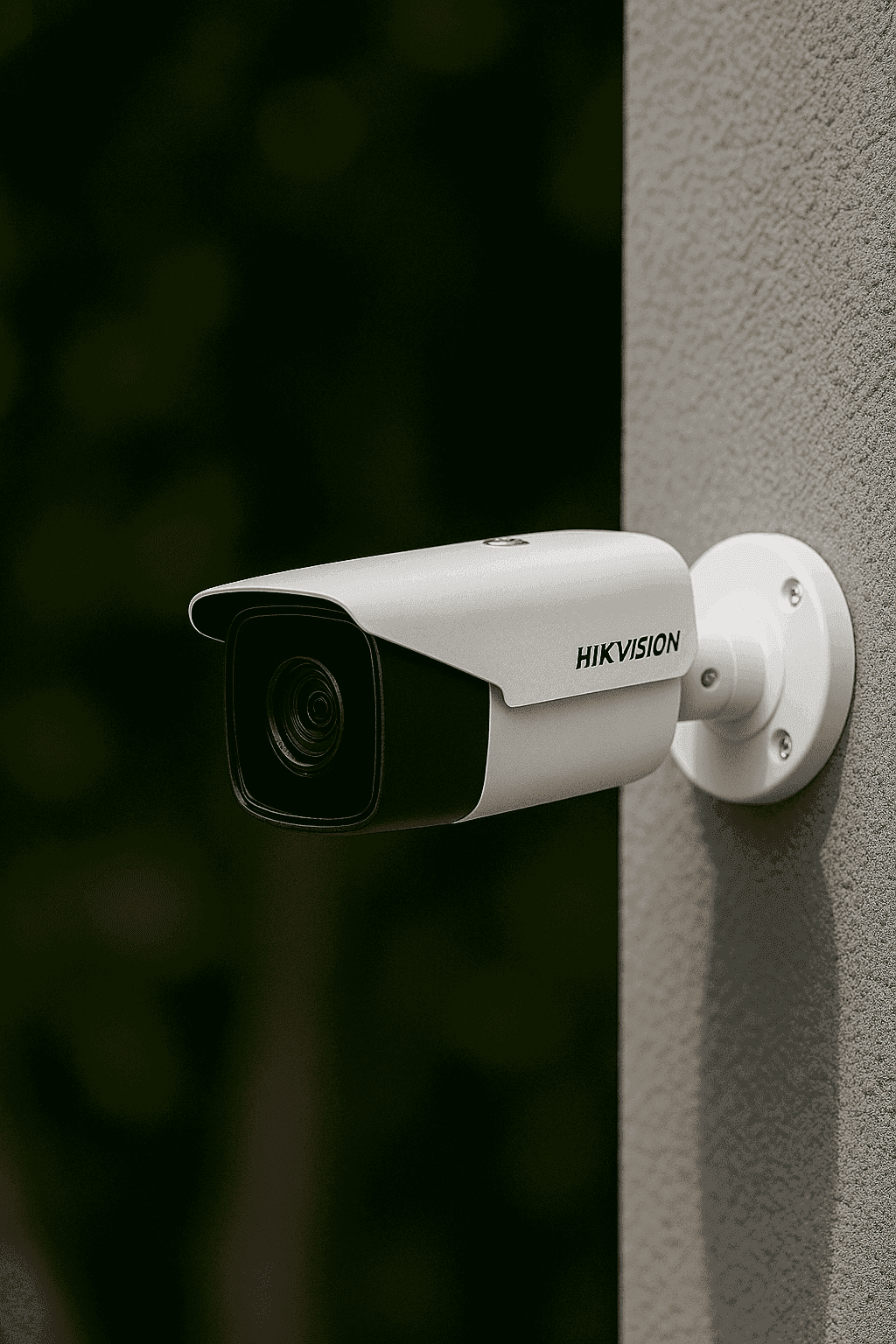
Construction Site CCTV Specialized surveillance for building environments:
- Portable camera systems repositionable surveillance for changing layouts
- Solar-powered units independent power for remote location monitoring
- Weatherproof housing protection against construction dust and weather
- Time-lapse recording documenting construction progress for project management
Remote Monitoring Services Professional surveillance for unmanned sites:
- 24/7 monitoring continuous observation during non-work hours
- Alarm response immediate notification of security breaches
- Video verification confirming actual security incidents before dispatch
- Client reporting regular updates on site security status
Mobile Patrol Integration Combining technology with human security:
- Regular site visits physical inspection complementing electronic monitoring
- Random timing unpredictable patrol schedules deterring criminal planning
- Key holding services secure management of site access keys
- Incident response immediate human response to security alerts
Technology Solutions for Construction Security
Advanced Detection Systems
Motion Detection Technology Sophisticated sensors adapted for construction environments:
- PIR sensors passive infrared detection adjusted for construction conditions
- Microwave detection penetrating sensors less affected by environmental factors
- Video analytics camera-based detection identifying human movement
- Dual-technology systems combining detection methods for accuracy
Intrusion Detection Networks Comprehensive site-wide monitoring:
- Wireless sensor networks battery-powered sensors requiring no wiring
- Mesh networking sensors communicating through redundant pathways
- Central monitoring unified control and alerting for multiple detection points
- Integration capability connecting with other security systems
Communication and Alert Systems
Emergency Communication Ensuring rapid response to security incidents:
- Cellular-based alerts automatic notification to security personnel
- Two-way communication enabling response coordination from monitoring centers
- Local alarms on-site sirens and strobes deterring intruders
- Police notification direct connection to law enforcement when appropriate
Site Communication Systems Facilitating security coordination:
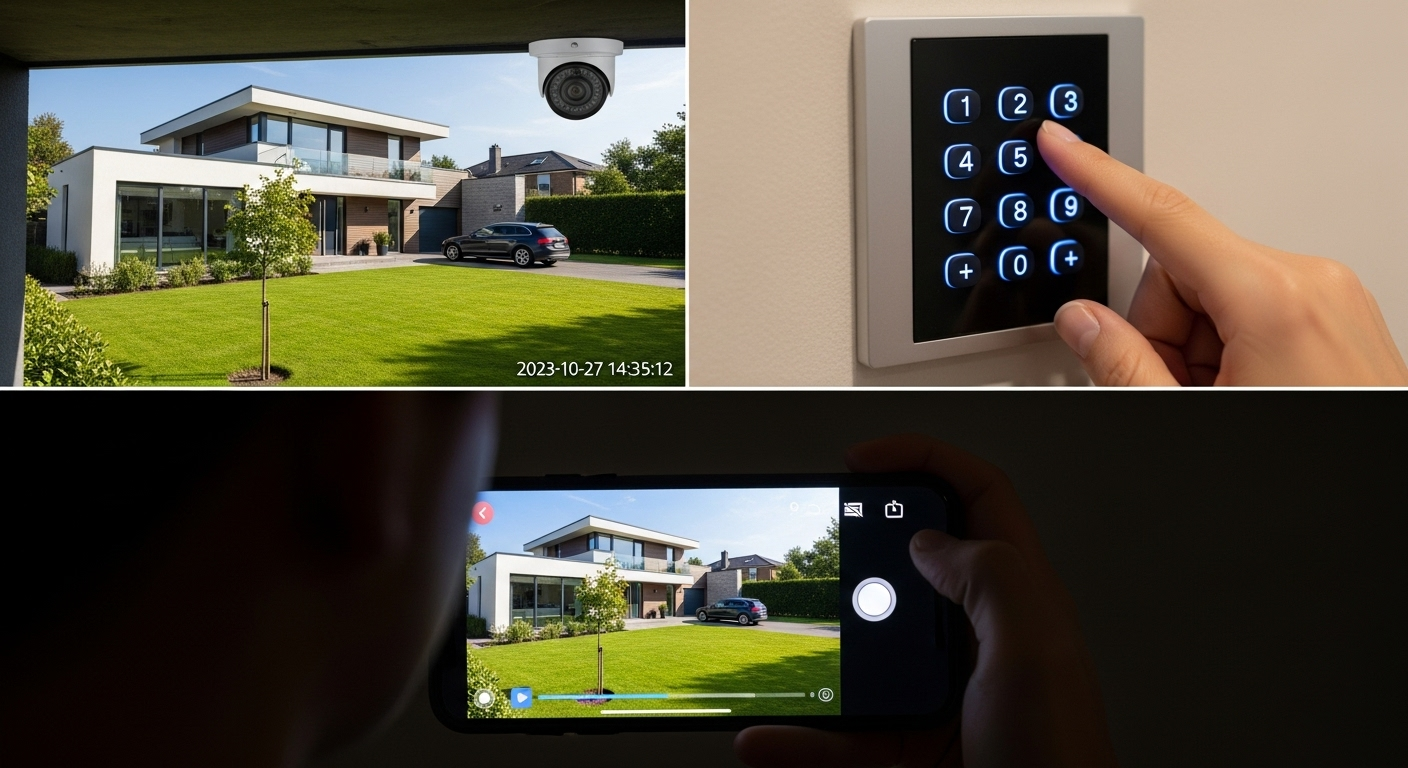
- Intercom systems communication between gates and site offices
- Radio networks coordinating security patrols and site personnel
- Mass notification alerting all site personnel during emergencies
- Visitor communication managing delivery and contractor entry
Power and Infrastructure Solutions
Independent Power Systems Ensuring security system operation without site power:
- Solar power systems renewable energy for remote security applications
- Battery backup maintaining operation during power interruptions
- Generator backup extended operation for critical security systems
- Power management optimizing energy use for extended battery life
Communication Infrastructure Maintaining connectivity for security systems:
- Cellular communication using mobile networks for system connectivity
- Satellite communication backup connectivity for extremely remote sites
- Local networking connecting on-site security components
- Internet connectivity enabling remote monitoring and management
Specialized Security Applications
High-Rise Construction Security
Vertical Access Control Managing security in multi-story construction:
- Elevator security controlling access to different floors
- Stairwell monitoring detecting unauthorized vertical movement
- Material hoist security protecting construction supply routes
- Fall protection integration ensuring security measures don’t compromise safety
Progressive Security Implementation Adapting security as construction progresses:
- Foundation phase basic perimeter and equipment protection
- Structure phase expanded coverage as building takes shape
- Fit-out phase interior security for valuable finishing materials
- Completion phase transition to permanent building security systems
Infrastructure Project Security
Road and Bridge Construction Linear project security challenges:
- Extended perimeters protecting long construction corridors
- Traffic management maintaining security while managing public access
- Equipment mobility protecting machinery that moves along project routes
- Public safety ensuring security measures don’t create hazards
Utility Infrastructure Protection Securing critical infrastructure construction:
- Underground utility protecting excavation and installation work
- Power line construction securing electrical infrastructure development
- Water and sewer protecting utility installation from interference
- Telecommunications securing communication infrastructure development
Residential Development Security
Subdivision Development Protecting residential construction projects:
- Multiple dwelling protection securing numerous homes under construction
- Show home security protecting model homes and sales facilities
- Landscaping protection preventing theft of plants and materials
- Buyer safety ensuring security for prospective purchasers visiting sites
Custom Home Construction Individual residence security:
- Luxury home protection enhanced security for high-value residences
- Architect supervision protecting design integrity and materials
- Homeowner involvement coordinating security with owner visits
- Neighborhood relations maintaining good community relationships
Compliance and Risk Management
Australian Regulatory Requirements
Work Health and Safety Compliance Meeting construction industry safety obligations:
- Safe access requirements ensuring security measures don’t impede emergency evacuation
- Hazard management addressing security risks in construction risk assessments
- Worker consultation involving employees in security planning and implementation
- Incident reporting documenting security incidents affecting workplace safety
Public Safety Obligations Protecting the general public near construction sites:
- Pedestrian protection ensuring public walkways remain safe and secure
- Vehicle safety managing construction traffic and public road interfaces
- Noise management balancing security measures with noise restrictions
- Visual impact considering community concerns about security installations
Environmental Compliance Meeting environmental protection requirements:
- Soil protection preventing contamination from security system installation
- Water management ensuring security measures don’t affect drainage
- Waste management proper disposal of security system packaging and materials
- Heritage considerations protecting historical sites during construction
Insurance and Liability Management
Construction Insurance Integration Coordinating security with insurance coverage:
- Builder’s risk insurance coverage for theft and vandalism losses
- Equipment insurance protecting against machinery theft and damage
- Public liability coverage for security-related incidents affecting third parties
- Professional indemnity protection for security design and implementation decisions
Risk Assessment and Management Systematic approach to construction site security risks:
- Threat identification understanding specific risks for each project
- Vulnerability assessment identifying weak points in security coverage
- Risk treatment implementing controls to manage identified risks
- Ongoing monitoring continuous assessment of security effectiveness
Cost Management and Budgeting
Construction Security Budgeting
Project Security Costs Understanding comprehensive security expenses:
- Initial setup fencing, cameras, and security system installation
- Ongoing monitoring monthly costs for professional surveillance services
- Guard services human security for high-risk periods or locations
- Equipment maintenance regular service and repair of security systems
Cost Factors by Project Type Typical security costs for different construction projects:
- Residential construction 1-3% of project value for comprehensive security
- Commercial construction 2-4% of project value depending on risk factors
- Infrastructure projects variable based on location and public access
- Industrial construction 3-5% reflecting higher equipment values and risks
Return on Investment Analysis
Quantifiable Security Benefits Measuring security system value:
- Theft prevention avoiding equipment and material losses
- Insurance savings premium reductions for secured sites
- Schedule protection preventing delays caused by security incidents
- Liability reduction decreased exposure to public safety claims
Intangible Value Contributions Additional benefits beyond direct cost savings:
- Worker confidence employees feeling safer on secured sites
- Client satisfaction project owners appreciating security attention
- Contractor reputation enhanced professional image through security commitment
- Community relations demonstrating responsibility to neighboring properties
Financing and Service Options
Security Service Models Different approaches to construction site security:
- Rental systems temporary security equipment for project duration
- Service contracts comprehensive security managed by professional providers
- Hybrid approaches combining owned equipment with professional services
- Turnkey solutions complete security packages from single providers
Budget Planning Strategies Effective approaches to security cost management:
- Early planning incorporating security costs in initial project budgets
- Phase-based budgeting adjusting security investment as projects progress
- Risk-based allocation concentrating resources on highest-risk areas
- Performance measurement tracking security ROI to optimize spending
Future Trends in Construction Site Security
Technology Integration Advances
Internet of Things (IoT) Applications Connected devices enhancing construction security:
- Smart sensors networkable detection devices with advanced capabilities
- Equipment monitoring IoT sensors tracking machinery health and location
- Environmental sensing monitoring weather and site conditions
- Integrated platforms unified management of multiple security technologies
Artificial Intelligence Enhancement AI improving security system effectiveness:
- Behavioral analysis learning normal site patterns and detecting anomalies
- Predictive security anticipating security risks based on project phases
- Automated response systems taking protective actions without human intervention
- Resource optimization AI-guided deployment of security resources
Sustainable Security Solutions
Green Security Technology Environmentally responsible security systems:
- Solar power integration renewable energy for sustainable security operations
- Energy-efficient equipment low-power devices extending battery life
- Recyclable materials security equipment designed for end-of-life recovery
- Minimal environmental impact installations that don’t disturb site ecology
Integration with Building Information Modeling (BIM) Advanced project management integration:
- Security planning incorporating security systems into BIM models
- Progress tracking monitoring security implementation alongside construction
- Maintenance planning scheduling security system maintenance with building systems
- Handover integration seamless transition from construction to operational security
Conclusion
Construction site security in Australia requires specialized approaches that address the unique challenges of building environments while supporting project objectives and regulatory compliance. Effective security combines physical barriers, technology systems, and professional services to create comprehensive protection that adapts to changing construction conditions.
The investment in quality construction site security pays dividends through asset protection, schedule maintenance, insurance savings, and enhanced professional reputation. As construction projects become more complex and valuable, security systems must evolve to provide sophisticated protection while remaining practical for construction environments.
Future construction site security will be characterized by intelligent, connected systems that integrate with project management tools and adapt automatically to changing site conditions. Construction professionals who invest in modern security solutions position themselves for enhanced protection and operational efficiency while demonstrating commitment to professional project management.
Success in construction site security depends on early planning, appropriate technology selection, professional implementation, and ongoing management throughout the project lifecycle. The key is treating security as an integral part of project management rather than an afterthought, ensuring that protection measures support rather than hinder construction operations while providing the comprehensive security that modern projects require.