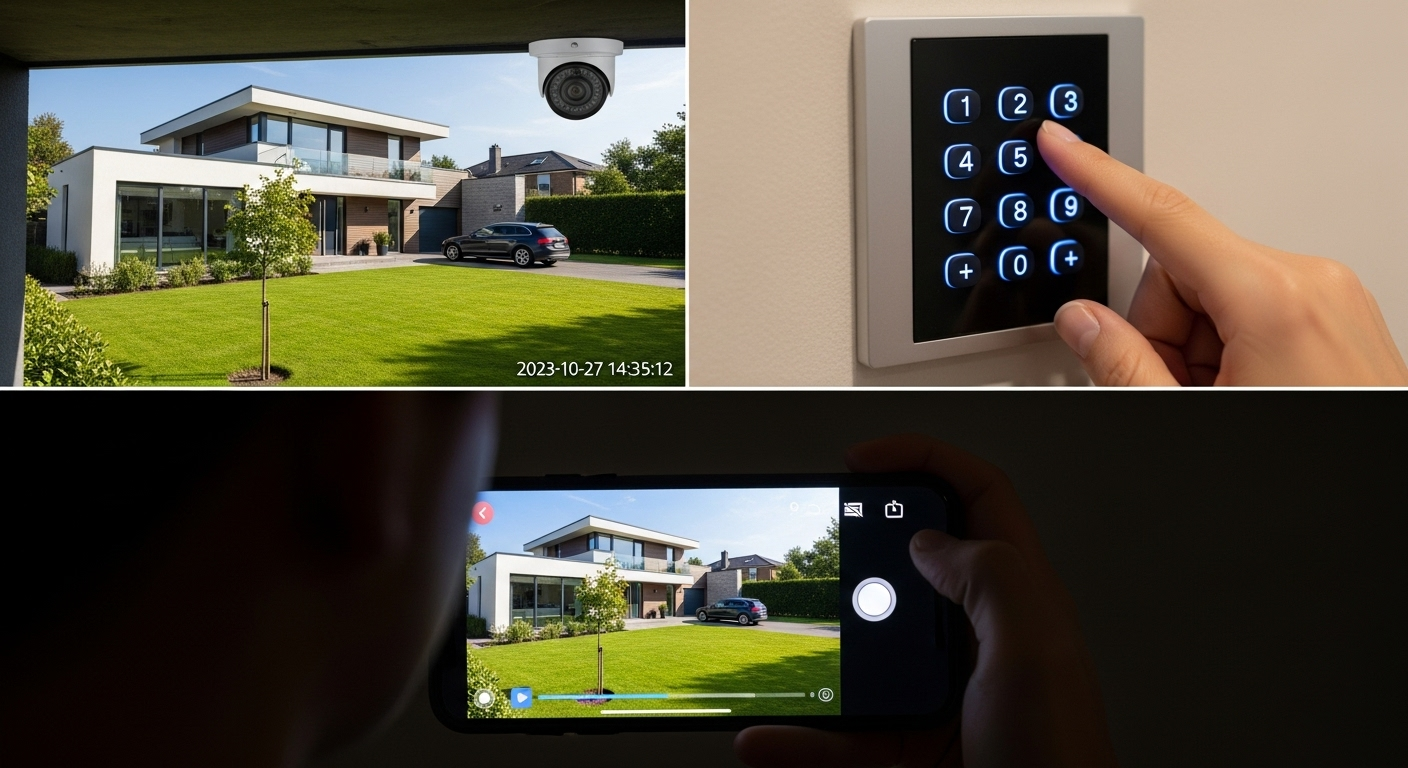
Perimeter security fencing serves as the first and most visible line of defense for Australian properties, establishing clear boundaries while deterring unauthorized access and providing physical barriers against intrusion. From suburban homes seeking privacy and security to critical infrastructure requiring maximum protection, effective perimeter fencing combines physical barriers with psychological deterrence to create comprehensive security solutions. This guide explores how Australian property owners can implement effective perimeter security that balances protection, aesthetics, and compliance requirements.
Understanding Perimeter Security Fundamentals
The Role of Physical Barriers in Security
Layered Security Approach Perimeter fencing functions within comprehensive security frameworks:
- Deterrent effect discouraging criminal activity through visible barriers
- Delay function slowing intruder progress to allow detection and response
- Detection enhancement providing platforms for sensors and surveillance systems
- Access control channeling legitimate traffic through monitored entry points
Psychological Impact of Boundaries Well-designed perimeter security affects behavior:
- Territorial definition clearly establishing property ownership and control
- Authority projection demonstrating security awareness and commitment
- Risk perception increasing perceived difficulty and risk of criminal activity
- Legitimate user confidence helping authorized persons feel secure
Australian Context and Considerations
Environmental Challenges Australia’s diverse conditions affect fencing selection:
- Extreme weather cyclones, storms, and temperature variations
- UV exposure intense sunlight degrading materials and finishes
- Soil conditions varying ground types affecting foundation requirements
- Coastal environments salt air causing accelerated corrosion
Regulatory Framework Australian perimeter fencing must address:
- Local council requirements height restrictions and approval processes
- Building codes structural requirements for wind loading and safety
- Neighbor relations boundary disputes and privacy considerations
- Heritage and aesthetic requirements in sensitive areas
Wildlife and Environmental Considerations Balancing security with environmental responsibility:
- Native wildlife protection allowing animal movement where appropriate
- Fire safety creating defendable spaces in bushfire-prone areas
- Drainage impact ensuring fencing doesn’t create flooding or erosion
- Vegetation integration combining fencing with landscape design
Types of Security Fencing Systems
High-Security Fencing
Anti-Climb Mesh Fencing Maximum security for critical applications:
- 358 mesh configuration small apertures preventing climbing and cutting
- Curved or cranked tops additional climb deterrent features
- Galvanized and powder-coated finish for maximum durability
- Professional installation requiring specialized equipment and expertise
Electric Security Fencing Active deterrent systems for high-risk properties:
- High-voltage, low-amperage safe but effective deterrent shock
- Alarm integration immediate notification when fence is touched or cut
- Solar power options enabling installation in remote locations
- Professional monitoring connection to security response services
Razor Wire and Barbed Tape Maximum deterrent for critical facilities:
- Razor ribbon sharp blades providing extreme climb deterrent
- Barbed tape traditional deterrent suitable for industrial applications
- Installation height typically installed above primary fencing
- Safety considerations appropriate warning signage and liability management
Commercial and Industrial Fencing
Palisade Security Fencing Robust protection for commercial properties:
- Steel pale construction vertical steel slats with pointed tops
- Hot-dip galvanized corrosion protection for long service life
- Various heights from 1.8m to 3.6m depending on security requirements
- Gate integration matching vehicle and pedestrian gates
Chain Link Security Fencing Versatile solution for large perimeters:
- Galvanized chain link corrosion-resistant mesh in various gauges
- Vinyl coating color options and additional corrosion protection
- Barbed wire tops enhanced security with deterrent features
- Cost effectiveness economical solution for extensive perimeters
Acoustic Fencing Integration Combining security with noise control:
- Sound barriers reducing noise transmission while providing security
- Dual-purpose design meeting both acoustic and security requirements
- Industrial applications protecting against noise and unauthorized access
- Aesthetic options maintaining visual appeal while serving dual purposes
Residential Security Fencing
Decorative Security Fencing Balancing aesthetics with protection:
- Aluminum and steel low-maintenance materials with attractive finishes
- Ornamental designs traditional and contemporary styling options
- Powder coating color-matched finishes complementing architecture
- Height variations meeting security needs while respecting neighborhood character
Privacy and Security Combination Dual-purpose residential fencing:
- Solid panel construction providing visual screening and security
- Timber and composite natural materials with security hardware
- Colorbond steel durable Australian-made steel fencing systems
- Integration opportunities combining with gates and landscape features
Pool and Child Safety Integration Multi-purpose residential barriers:
- Compliance requirements meeting Australian pool safety standards
- Self-closing gates automatic closure for child safety
- Climb-resistant design preventing unauthorized access and child accidents
- Surveillance integration enabling monitoring while maintaining barriers
Specialized Fencing Applications
Critical Infrastructure Protection
Government and Military Facilities Maximum security for sensitive locations:
- Multiple barrier systems layered fencing with different security levels
- Intrusion detection sensors integrated throughout fencing system
- Vehicle barriers bollards and crash-rated gates
- Surveillance platforms mounting points for cameras and lighting
Utilities and Energy Facilities Protecting critical infrastructure:
- Substation security specialized fencing for electrical facilities
- Pipeline protection linear barrier systems for energy transmission
- Water treatment secure perimeters for public health protection
- Renewable energy solar and wind farm perimeter security
Transportation Infrastructure Securing transport facilities:
- Airport perimeters high-security fencing meeting aviation requirements
- Rail corridors preventing trespassing and ensuring operational safety
- Port security marine-grade fencing for harsh coastal environments
- Highway barriers preventing unauthorized access to transport infrastructure
Agricultural and Rural Applications
Livestock and Farm Security Rural property protection:
- Stock fencing integration combining livestock control with security
- Game-proof fencing protecting crops from native and feral animals
- Water point security protecting dams and bore installations
- Equipment protection securing machinery and valuable farm assets
Mining and Resource Extraction Industrial site perimeters:
- Exploration site temporary fencing for resource exploration
- Processing facilities permanent security for mining operations
- Tailings storage specialized barriers for environmental protection
- Equipment compounds secure storage for valuable mining equipment
Advanced Perimeter Security Technologies
Integrated Detection Systems
Fiber Optic Sensing Advanced intrusion detection:
- Vibration detection sensing fence climbing, cutting, or impact
- Precise location identifying exact location of intrusion attempts
- Weather immunity reliable operation in all environmental conditions
- Integration capability working with cameras and alarm systems
Microwave Barriers Invisible detection zones:
- Volumetric detection monitoring areas beyond physical barriers
- Adjustable patterns customizing detection zones for specific requirements
- Weather compensation maintaining accuracy despite environmental conditions
- Pet immunity ignoring small animals while detecting human intruders
Ground Sensors and Seismic Detection Detecting approaches to perimeter:
- Buried sensors concealed detection systems immune to weather
- Seismic discrimination distinguishing between different vibration sources
- Perimeter extension monitoring areas beyond visible barriers
- Covert operation invisible detection enhancing surprise response
Smart Fencing Systems
IoT-Enabled Perimeter Security Connected fencing technology:
- Sensor networks distributed monitoring throughout fence line
- Wireless communication cellular and radio frequency status reporting
- Remote monitoring real-time fence status from any location
- Predictive maintenance identifying potential problems before failure
Solar-Powered Systems Sustainable perimeter security:
- Energy independence operation without mains power connection
- Remote capability enabling security in areas without electrical infrastructure
- Environmental benefits renewable energy reducing carbon footprint
- Cost savings eliminating ongoing electricity expenses
Integrated Surveillance Platforms
Camera Integration Combining barriers with surveillance:
- Fence-mounted cameras leveraging fence structure for camera support
- PTZ integration cameras responding automatically to fence alarms
- Thermal imaging detecting intruders regardless of lighting conditions
- Analytics integration AI-powered video analysis enhancing detection
Lighting Integration Illuminating perimeter barriers:
- Fence-mounted lighting using barrier structure for illumination support
- Motion-activated lights responding to fence sensor activation
- LED efficiency energy-efficient illumination with long service life
- Dark sky compliance directing light appropriately to minimize pollution
Design and Installation Considerations
Site Assessment and Planning
Security Risk Analysis Understanding threat environment:
- Threat identification determining specific risks requiring mitigation
- Asset valuation understanding what requires protection
- Attack scenarios anticipating likely intrusion methods
- Response capabilities considering detection and response resources
Topographical Analysis Working with site conditions:
- Ground conditions soil type affecting foundation requirements
- Drainage impact ensuring fencing doesn’t create water problems
- Access requirements maintaining necessary vehicle and pedestrian access
- Utility considerations avoiding conflicts with underground and overhead services
Regulatory Compliance Planning Meeting approval requirements:
- Development applications council approval for significant fencing projects
- Heritage considerations sensitive installation in heritage areas
- Neighbor consultation addressing boundary and privacy concerns
- Environmental assessment impact on wildlife and natural systems
Professional Installation Process
Foundation and Structure Ensuring long-term stability:
- Post installation appropriate depth and concrete for soil conditions
- Wind loading structural design for Australian weather conditions
- Corrosion protection appropriate treatment for environmental exposure
- Quality materials specifying appropriate materials for application
Integration and Testing Comprehensive system commissioning:
- Detection system calibration and testing of all sensors
- Communication testing verifying all monitoring and alarm functions
- Gate integration ensuring access control works with perimeter system
- Documentation providing operation and maintenance manuals
Maintenance and Lifecycle Management
Preventive Maintenance Programs
Regular Inspection Requirements Systematic fence condition assessment:
- Structural integrity checking posts, panels, and connection hardware
- Corrosion management identifying and addressing rust and degradation
- Vegetation control managing plant growth that might compromise security
- Ground conditions ensuring drainage and foundation stability
Environmental Maintenance Addressing Australian conditions:
- Storm damage post-weather inspection and repair procedures
- UV protection maintaining protective coatings and finishes
- Termite protection preventing timber component damage
- Salt air effects addressing coastal corrosion and cleaning requirements
Technology Maintenance
Electronic System Care Maintaining detection and monitoring systems:
- Sensor calibration ensuring accurate detection and minimizing false alarms
- Battery maintenance replacing backup power systems as needed
- Communication testing verifying monitoring and alarm connectivity
- Software updates maintaining current firmware and control systems
Cost Analysis and Investment Planning
Project Cost Factors
Material and Installation Costs Understanding comprehensive project expenses:
- Fencing materials posts, panels, gates, and hardware
- Foundation work excavation, concrete, and structural preparation
- Electronic systems sensors, controllers, and monitoring equipment
- Professional installation labor and specialized equipment
Budget Planning by Application Typical costs for different fencing projects:
- Residential security fencing $100-$300 per linear meter
- Commercial perimeter fencing $150-$500 per linear meter
- High-security installations $300-$1,000+ per linear meter
- Specialized applications variable based on specific requirements
Return on Investment
Security Benefits Quantifying fencing value:
- Crime deterrence measurable reduction in attempted intrusions
- Insurance savings premium reductions for improved security
- Asset protection preventing theft and vandalism losses
- Liability reduction decreased exposure to trespassing and accidents
Property Value Enhancement Real estate benefits:
- Boundary definition clear property limits enhancing value
- Privacy improvement increased appeal for residential properties
- Security perception buyer confidence in protected properties
- Aesthetic enhancement attractive fencing improving curb appeal
Conclusion
Perimeter security fencing represents a fundamental investment in property protection that provides immediate deterrent value while supporting broader security strategies. Effective perimeter security requires careful consideration of threats, environmental conditions, regulatory requirements, and integration with other security systems.
The evolution toward intelligent, integrated fencing systems has made perimeter security more effective and manageable than ever before. Property owners who invest in properly designed and professionally installed perimeter fencing create lasting security assets that protect property while enhancing value.
Future developments in materials technology, sensor integration, and smart systems will continue to improve perimeter security effectiveness while reducing maintenance requirements and environmental impact. The key to success lies in understanding specific security needs, selecting appropriate systems, ensuring professional installation, and maintaining systems properly throughout their service life.
Effective perimeter fencing balances multiple objectives – security enhancement, aesthetic appeal, environmental responsibility, and cost-effectiveness. Australian property owners who approach perimeter security with comprehensive planning and professional execution create secure boundaries that serve their protection needs for decades to come.