
All Articles

Vehicle Security Systems in Australia: Comprehensive Protection for Cars, Trucks, and Fleet Vehicles

Written by Jacob H. on January 24, 2025

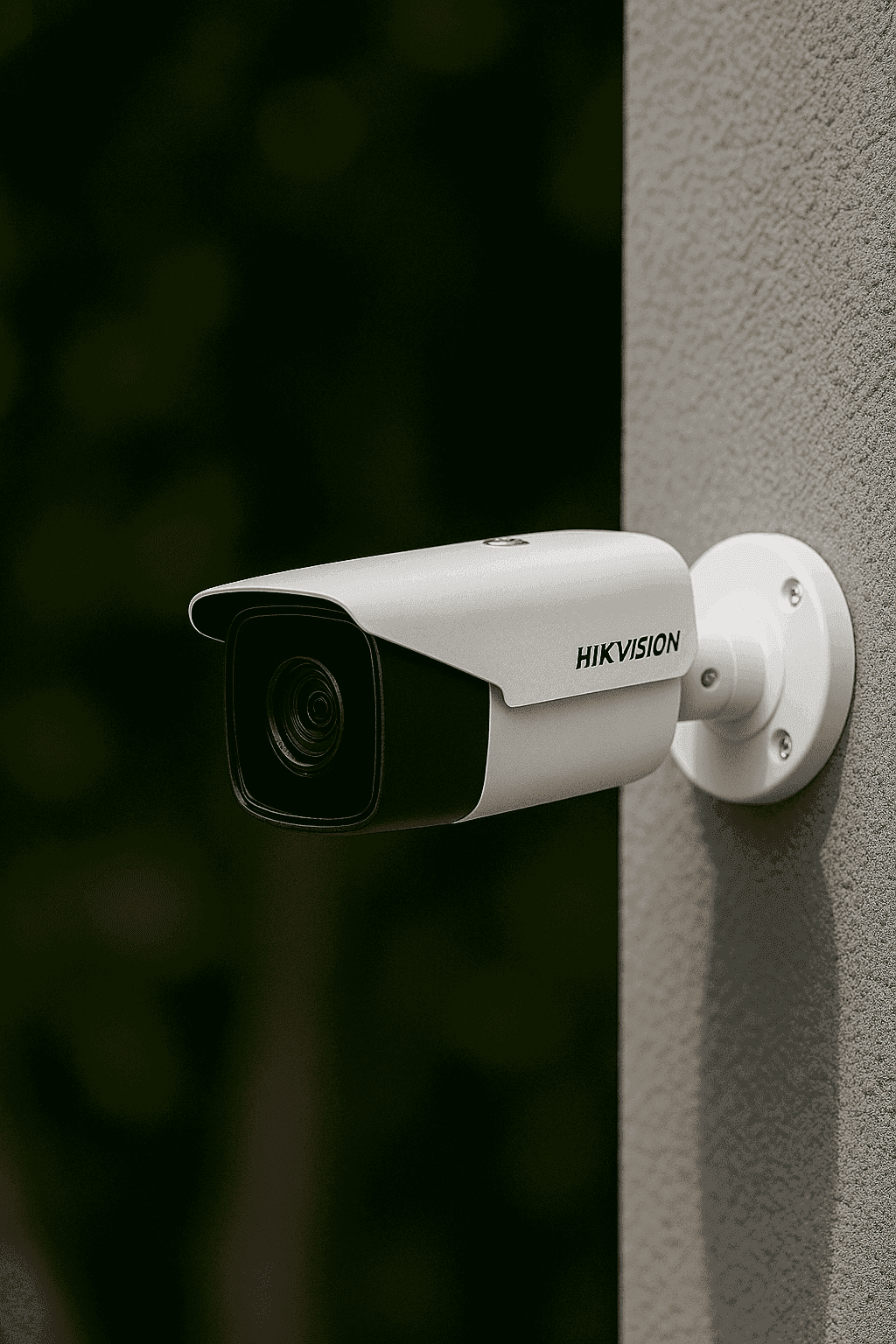
Article Image

Vehicle security in Australia faces mounting challenges from sophisticated theft methods, insurance fraud, and the increasing value of modern vehicles packed with expensive technology. From protecting family cars in suburban driveways to managing large commercial fleets across vast distances, effective vehicle security requires multi-layered approaches combining traditional deterrents with advanced technology. This comprehensive guide explores how Australian vehicle owners can protect their investments through modern security solutions.

Understanding the Australian Vehicle Security Landscape

National Vehicle Crime Data Australian vehicle crime presents significant challenges:

  • Motor vehicle theft over 45,000 incidents annually across Australia
  • Average theft value $15,000-$25,000 per stolen vehicle
  • Recovery rates only 60-70% of stolen vehicles are recovered intact
  • Regional variations higher theft rates in major metropolitan areas

Emerging Theft Methods Modern criminals employ sophisticated techniques:

  • Keyless entry exploitation signal amplification and relay attacks
  • Electronic immobilizer bypass advanced tools defeating factory security
  • Carjacking incidents increasing threats involving personal safety
  • Parts theft targeting valuable components like catalytic converters and airbags

High-Risk Vehicles and Locations Understanding vulnerability patterns:

  • Popular model targeting criminals focusing on high-demand vehicles
  • Location factors shopping centers, transport hubs, and residential areas
  • Time patterns peak theft times during evening and early morning hours
  • Seasonal variations increased theft during holiday periods and summer months

Australian Regulatory and Insurance Context

Insurance Requirements and Benefits Vehicle security impacts insurance coverage:

  • Comprehensive insurance requirements for security device installation
  • Premium discounts 5-15% reductions for approved security systems
  • Claim requirements documentation needed for theft and damage claims
  • Recovery bonuses additional coverage for vehicles with tracking systems

Australian Standards and Compliance Vehicle security must meet regulatory requirements:

  • ADR compliance Australian Design Rules for aftermarket installations
  • ACMA approval communications authority approval for tracking and communication devices
  • Warranty preservation ensuring security installations don’t void vehicle warranties
  • Professional installation requirements for complex systems and insurance recognition

Types of Vehicle Security Systems

Traditional Security Devices

Vehicle Alarm Systems Foundation of vehicle security:

  • Shock sensors detecting impact and attempted break-ins
  • Door and window sensors monitoring entry point violations
  • Siren and strobe audible and visual deterrents
  • Remote control arming and disarming from key fob or smartphone

Immobilizer Systems Preventing unauthorized vehicle operation:

  • Engine immobilization preventing starting without proper authorization
  • Fuel system cutoff disabling fuel supply to prevent operation
  • Ignition system interruption breaking electrical circuits required for engine operation
  • Remote disable ability to stop vehicle operation from monitoring center

Physical Security Devices Visible deterrents and physical barriers:

  • Steering wheel locks mechanical devices preventing steering operation
  • Gear shift locks preventing transmission operation
  • Wheel clamps physical barriers preventing vehicle movement
  • Window etching permanent identification reducing resale value for thieves

Advanced Electronic Security

GPS Tracking Systems Real-time vehicle location monitoring:

  • Satellite positioning accurate location tracking using GPS technology
  • Cellular communication real-time reporting of vehicle position and status
  • Geofencing alerts notifications when vehicles leave designated areas
  • Movement detection alerts for unauthorized vehicle use

Smart Vehicle Security Connected car security solutions:

  • Smartphone integration remote monitoring and control through mobile apps
  • Internet connectivity cloud-based monitoring and management
  • Artificial intelligence learning normal usage patterns and detecting anomalies
  • Integration capability working with factory security and infotainment systems

Biometric Security Systems Advanced authentication technologies:

  • Fingerprint recognition ensuring only authorized users can operate vehicles
  • Facial recognition camera-based user identification
  • Voice recognition spoken password or phrase authentication
  • Multi-factor authentication combining multiple identification methods

Commercial Fleet Security

Fleet Management Systems Comprehensive commercial vehicle protection:

  • Vehicle tracking monitoring location and movement of entire fleets
  • Driver behavior monitoring tracking speed, acceleration, and route compliance
  • Maintenance alerts scheduling and tracking vehicle service requirements
  • Fuel monitoring detecting theft and unauthorized fuel usage

Cargo and Load Security Protecting valuable freight:

  • Cargo sensors detecting unauthorized access to vehicle loads
  • Temperature monitoring for refrigerated and sensitive cargo
  • Door sensors alerting to unauthorized opening of cargo compartments
  • Seal monitoring electronic verification of cargo container integrity

Driver Safety and Security Protecting personnel in commercial vehicles:

  • Panic buttons emergency alerts for drivers in distress
  • Two-way communication maintaining contact with drivers and dispatch
  • Fatigue monitoring detecting driver tiredness and unsafe conditions
  • Lone worker protection ensuring safety of isolated drivers

Industry-Specific Applications

Personal Vehicle Security

Luxury and High-Value Vehicles Enhanced protection for expensive cars:

  • Multi-layer security combining multiple deterrent and detection systems
  • Covert installation hidden security devices reducing tampering risk
  • 24/7 monitoring professional monitoring services with rapid response
  • Recovery services specialized teams for stolen vehicle recovery

Family Vehicle Protection Practical security for everyday use:

  • User-friendly operation simple arming and disarming procedures
  • Child safety systems that accommodate family use patterns
  • Convenience features integration with keyless entry and remote start
  • Insurance compliance meeting requirements for premium discounts

Motorcycle and Recreational Vehicle Security Specialized protection for unique vehicles:

  • Compact alarm systems space-efficient security for motorcycles
  • Caravan security protecting recreational vehicles and camping equipment
  • Boat security marine-grade systems for watercraft protection
  • ATV and off-road rugged systems for recreational vehicles

Commercial and Fleet Applications

Delivery and Service Vehicles Protecting working vehicles:

  • Tool and equipment security protecting valuable cargo and work equipment
  • Route monitoring ensuring vehicles follow assigned routes and schedules
  • Customer service tracking arrival times and service completion
  • Driver accountability monitoring professional driving standards

Heavy Transport Security Protecting large commercial vehicles:

  • Truck and trailer tracking monitoring prime movers and freight containers
  • Load security protecting high-value cargo during transport
  • Driver safety ensuring security of drivers during long-distance travel
  • Compliance monitoring ensuring adherence to transport regulations

Construction and Mining Vehicles Industrial vehicle protection:

  • Equipment security protecting valuable machinery and vehicles
  • Site monitoring tracking vehicle movement within work sites
  • Theft prevention deterring theft of equipment and fuel
  • Maintenance management monitoring usage and scheduling service

Specialized Vehicle Security

Emergency and Government Vehicles High-security applications:

  • Police vehicle security protecting law enforcement equipment and information
  • Ambulance security securing medical equipment and patient information
  • Government fleet enhanced security for official vehicles
  • Military applications specialized security for defense vehicles

Public Transport Security Protecting mass transit systems:

  • Bus and train security protecting public transport vehicles and passengers
  • Driver safety ensuring operator security during service
  • Passenger security maintaining safe travel environment
  • System integration coordinating with broader transport security systems

Installation and Integration Considerations

Professional Installation Requirements

Electrical System Integration Proper connection to vehicle systems:

  • Wiring harness appropriate connections that don’t damage vehicle systems
  • Power management ensuring security systems don’t drain vehicle batteries
  • Signal integration connecting with factory systems without interference
  • Warranty protection installation methods that preserve vehicle warranties

System Programming and Configuration Setting up security systems for optimal performance:

  • Sensor adjustment calibrating detection systems for specific vehicles and environments
  • User programming setting up authorized users and access methods
  • Alert configuration customizing notification methods and escalation procedures
  • Integration testing ensuring all components work together effectively

Technology Integration Challenges

Vehicle Compatibility Ensuring security systems work with modern vehicles:

  • CAN bus integration connecting with vehicle computer networks safely
  • Keyless system compatibility working with push-button start and smart keys
  • Factory alarm integration coordinating with existing security systems
  • Software updates maintaining compatibility as vehicle systems are updated

Communication and Connectivity Ensuring reliable security system communication:

  • Cellular coverage ensuring tracking systems work in all operational areas
  • Network redundancy backup communication methods for critical applications
  • Data security protecting transmitted information from interception
  • System updates maintaining current software and security patches

Maintenance and Support Services

Ongoing System Maintenance

Regular Maintenance Requirements Keeping vehicle security systems operational:

  • Battery replacement maintaining power supplies for security system components
  • Sensor cleaning ensuring detection systems remain sensitive and accurate
  • Software updates installing improvements and security patches
  • Connection inspection checking wiring and connections for damage or corrosion

Professional Service Programs Comprehensive maintenance support:

  • Annual inspections systematic checking of all security system components
  • Warranty service repairs and replacements covered under warranty
  • Emergency support 24/7 assistance for security system problems
  • Training updates keeping users current on system operation and features

Troubleshooting Common Issues

False Alarm Management Minimizing unnecessary security alerts:

  • Sensor adjustment fine-tuning detection systems to reduce false triggers
  • Environmental factors accounting for weather and location effects on system operation
  • User education training operators on proper system use and maintenance
  • System updates installing improvements that reduce false alarm rates

Communication Problems Maintaining reliable system connectivity:

  • Signal strength ensuring adequate cellular or radio coverage
  • Antenna maintenance keeping communication equipment in good condition
  • Network troubleshooting resolving connectivity issues with service providers
  • Backup systems maintaining alternative communication methods

Cost Analysis and Return on Investment

Vehicle Security Investment Planning

System Cost Factors Understanding comprehensive security expenses:

  • Equipment costs alarm systems, tracking devices, and installation hardware
  • Installation fees professional setup and configuration services
  • Monitoring services ongoing fees for professional monitoring and response
  • Maintenance costs regular service and component replacement expenses

Budget Planning by Vehicle Type Typical costs for different security applications:

  • Basic car alarm systems $300-$800 including installation
  • Advanced tracking systems $500-$1,500 plus monthly monitoring fees
  • Fleet management solutions $30-$100 per vehicle per month
  • High-security applications $2,000-$5,000+ for comprehensive protection

Financial Benefits and Savings

Insurance Premium Reductions Direct savings from security system installation:

  • Comprehensive insurance 5-15% premium reductions for approved systems
  • Theft coverage reduced deductibles and improved claim outcomes
  • Fleet insurance significant savings for commercial vehicle protection
  • Risk assessment better insurance terms for well-secured vehicles

Recovery and Protection Value Quantifying security system benefits:

  • Theft deterrence preventing vehicle theft and associated losses
  • Recovery assistance improving chances of stolen vehicle recovery
  • Parts protection preventing theft of valuable vehicle components
  • Business continuity maintaining operations despite security incidents

Total Cost of Ownership Long-term value analysis:

  • Vehicle depreciation security systems helping maintain vehicle value
  • Reduced losses fewer theft and vandalism incidents
  • Lower insurance ongoing premium savings over vehicle ownership period
  • Peace of mind intangible benefits of enhanced security confidence

Connected Car Security Evolution

Vehicle-to-Everything (V2X) Communication Next-generation connectivity:

  • Vehicle-to-vehicle cars communicating security information with each other
  • Vehicle-to-infrastructure integration with traffic systems and security networks
  • Vehicle-to-cloud continuous connection with monitoring and management services
  • Predictive security anticipating threats based on connected data analysis

Artificial Intelligence Integration AI enhancing vehicle security:

  • Behavioral analysis learning normal usage patterns and detecting anomalies
  • Predictive maintenance anticipating security system failures before they occur
  • Threat assessment automatically evaluating and responding to security risks
  • Automated response systems taking protective action without human intervention

Sustainable Security Solutions

Energy-Efficient Systems Environmentally conscious security:

  • Solar-powered tracking renewable energy for remote and parked vehicle monitoring
  • Low-power technology extended battery life for security system components
  • Smart power management optimizing energy use to minimize vehicle battery drain
  • Sustainable materials environmentally friendly components and packaging

Integration with Electric Vehicles Security for next-generation transportation:

  • EV-specific threats protecting against charging station vulnerabilities
  • Battery security monitoring and protecting expensive battery systems
  • Charging security protecting vehicles during charging periods
  • Smart grid integration coordinating security with energy management systems

Conclusion

Vehicle security in Australia requires comprehensive approaches that address evolving threats while taking advantage of advancing technology. Effective vehicle protection combines traditional deterrents with modern tracking and communication systems to create multi-layered security that protects investments while supporting business operations.

The key to successful vehicle security lies in understanding specific risks, selecting appropriate technologies, ensuring professional installation, and maintaining systems properly throughout the vehicle lifecycle. As vehicles become more connected and valuable, security systems must evolve to provide enhanced protection while remaining user-friendly and cost-effective.

Future vehicle security will be characterized by intelligent systems that learn from experience, predict threats, and respond automatically to protect vehicles and their occupants. Organizations and individuals who invest in modern vehicle security systems position themselves to benefit from these technological advances while immediately enjoying enhanced protection and peace of mind.

Vehicle security represents an investment in asset protection, business continuity, and personal safety that pays dividends through reduced losses, insurance savings, and the confidence that comes from knowing your vehicles are properly protected. Success depends on choosing systems appropriate to specific needs, ensuring professional installation and service, and maintaining systems properly to ensure long-term reliability and effectiveness.

Logo for Kreatif Brand
  • Facebook Coming soon
  • Linkedin Coming soon
  • X Coming soon

Contact us

Subscribe

* indicates required

Intuit Mailchimp

2025 Saint George Group PTY LTD  ACN : 688 280 855 ABN : 24 688 280 855