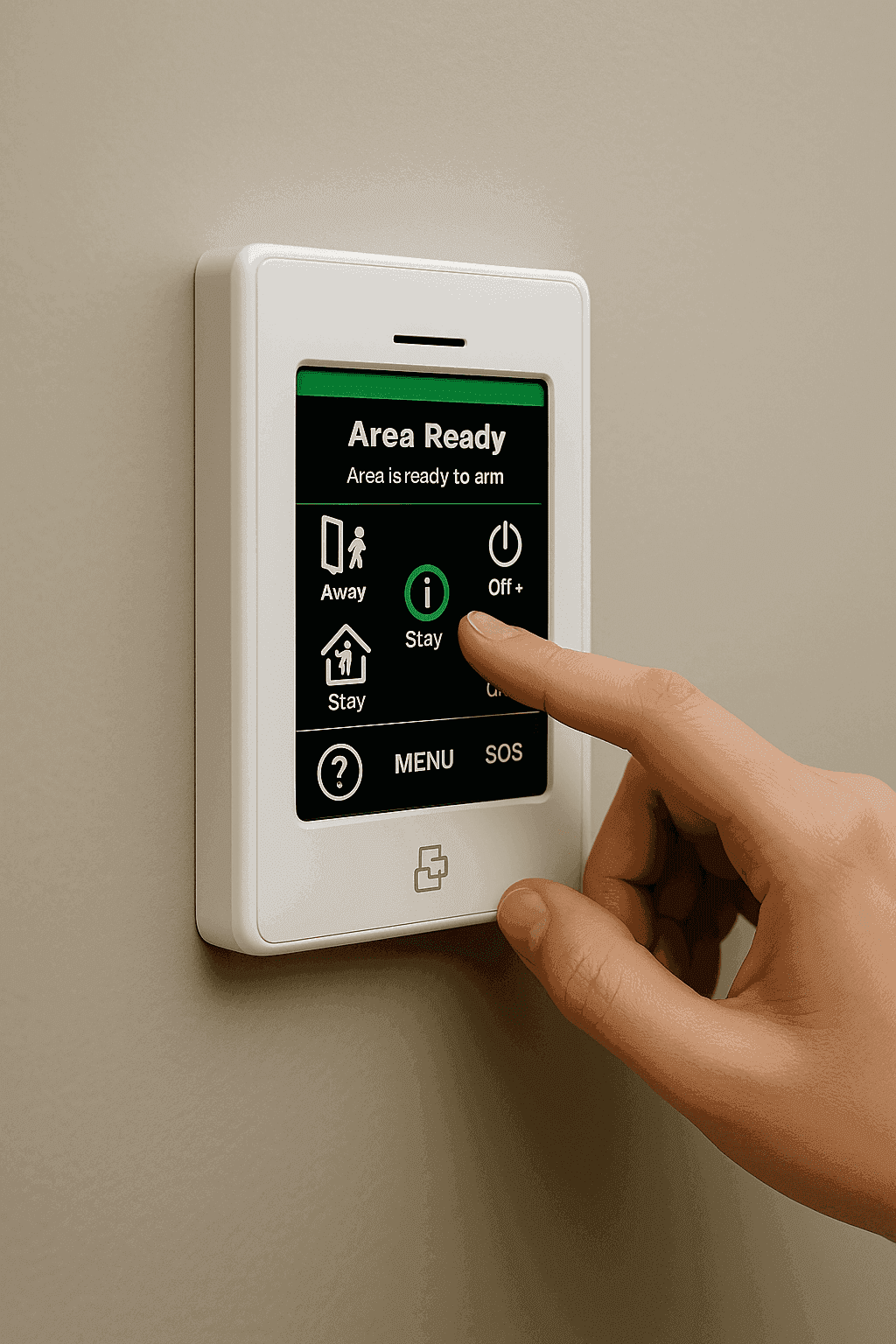

Emergency response planning for security systems is a critical component of comprehensive risk management that Australian organizations cannot afford to overlook. When security systems fail or when emergencies occur, having well-developed, tested response procedures can mean the difference between minor disruption and catastrophic loss. This comprehensive guide explores how Australian organizations can develop, implement, and maintain effective emergency response plans that integrate seamlessly with security systems and broader organizational resilience strategies.
Understanding Emergency Response in the Security Context
Types of Security-Related Emergencies
System Failure Emergencies Technical failures requiring immediate response:
- Power outages affecting surveillance, alarms, and access controls
- Network failures disrupting communication and monitoring capabilities
- Equipment malfunctions compromising specific security system components
- Software failures affecting security management and control systems
Security Breach Incidents Situations where security has been compromised:
- Unauthorized access through bypassed or failed security controls
- Physical intrusions requiring immediate containment and response
- Cyber attacks targeting security system infrastructure
- Insider threats involving trusted individuals misusing access
Natural Disaster Response Environmental emergencies affecting security operations:
- Severe weather events including storms, floods, and extreme temperatures
- Bushfires threatening facilities and requiring evacuation procedures
- Earthquakes and geological events potentially damaging security infrastructure
- Pandemic situations requiring modified security and access procedures
Human-Caused Emergencies Intentional acts requiring security response:
- Terrorism and extremist activities targeting facilities or infrastructure
- Workplace violence incidents requiring immediate protective measures
- Bomb threats and suspicious packages demanding evacuation and investigation
- Active shooter situations requiring lockdown and law enforcement coordination
Australian Context and Considerations
Geographic Challenges Australia’s unique geographic factors affecting emergency response:
- Vast distances between population centers complicating resource deployment
- Remote locations with limited emergency services availability
- Diverse climate zones requiring region-specific emergency planning
- Island communities with restricted evacuation and response options
Regulatory Framework Australian emergency management legislation and standards:
- Emergency Management Act requirements in each state and territory
- Australian Emergency Management Arrangements providing national coordination
- Work Health and Safety legislation mandating workplace emergency procedures
- Critical Infrastructure Centre guidelines for essential services protection
Integrated Emergency Response Framework
Multi-Layered Response Architecture
Immediate Response (0-15 minutes) First response actions when emergencies occur:
- Automatic system responses triggered by security system alerts
- Staff immediate actions following trained emergency procedures
- Communication activation alerting relevant personnel and authorities
- Initial assessment determining scope and severity of emergency
Short-term Response (15 minutes - 4 hours) Sustained response during active emergency phase:
- Resource deployment bringing additional personnel and equipment
- Situation management coordinating response activities and communications
- Safety measures protecting people and preventing emergency escalation
- Investigation initiation beginning evidence collection and analysis
Extended Response (4 hours - 72 hours) Continuation of response during extended incidents:
- Business continuity activation maintaining critical operations
- Stakeholder communication providing updates to all affected parties
- Resource sustainability managing long-term response requirements
- Recovery planning preparing for return to normal operations
Recovery and Restoration Post-emergency activities returning to normal operations:
- System restoration repairing and testing all security systems
- Lessons learned analysis improving procedures based on emergency experience
- Stakeholder debrief gathering feedback and recommendations
- Plan updates incorporating improvements based on real experience
Integration with Security Systems
Automated Emergency Responses Programming security systems for automatic emergency actions:
- Alarm escalation progressively alerting personnel and authorities
- Access control modifications securing or opening areas as needed
- Surveillance prioritization focusing cameras on critical areas
- Communication automation sending pre-programmed alerts and instructions
Manual Override Capabilities Ensuring human control during emergencies:
- Emergency unlock procedures providing immediate access when needed
- System isolation disconnecting compromised components
- Manual monitoring maintaining surveillance when automated systems fail
- Communication alternatives backup methods when primary systems fail
Risk Assessment and Emergency Planning
Comprehensive Risk Analysis
Threat Assessment Identifying and analyzing potential emergency scenarios:
- Natural hazard mapping understanding geographic and climate risks
- Human threat analysis assessing intentional acts and security breaches
- Technical failure assessment evaluating system vulnerabilities and dependencies
- Cascading effect analysis understanding how emergencies can escalate
Vulnerability Assessment Identifying organizational weaknesses that could complicate emergency response:
- Infrastructure dependencies understanding critical system interdependencies
- Personnel vulnerabilities identifying key person dependencies and skill gaps
- Communication weaknesses assessing potential failures in emergency communication
- Resource limitations understanding constraints on emergency response capabilities
Impact Analysis Quantifying potential consequences of different emergency scenarios:
- Operational impact understanding effects on business operations
- Financial consequences calculating costs of different emergency scenarios
- Reputational damage assessing stakeholder confidence and trust effects
- Legal and regulatory implications understanding compliance consequences
Emergency Response Plan Development
Plan Structure and Components Essential elements of comprehensive emergency response plans:
- Purpose and scope clearly defining plan objectives and coverage
- Roles and responsibilities assigning specific duties to individuals and teams
- Communication procedures establishing clear communication protocols
- Resource requirements identifying necessary personnel, equipment, and supplies
Scenario-Specific Procedures Detailed response procedures for different emergency types:
- Fire emergency procedures including evacuation and system responses
- Security breach protocols containing and investigating unauthorized access
- Medical emergency response providing immediate care and professional medical support
- Technology failure procedures maintaining operations during system outages
Decision-Making Frameworks Clear guidance for making critical decisions during emergencies:
- Authority delegation establishing who can make what decisions when
- Escalation criteria defining when to escalate response level or authority
- Resource allocation prioritizing limited resources during emergencies
- Communication approval determining who authorizes external communications
Communication and Coordination
Internal Communication Systems
Emergency Communication Architecture Redundant communication systems ensuring reliable emergency coordination:
- Primary communication systems using standard organizational tools
- Backup communication methods alternative systems when primary systems fail
- Mobile communication capabilities maintaining contact during building evacuation
- Mass notification systems reaching all personnel quickly during emergencies
Stakeholder Communication Matrix Clear guidance for communicating with different stakeholders:
- Employee communication keeping staff informed and coordinated
- Management reporting providing leadership with situational awareness
- Family notification communicating with families of affected personnel
- Customer communication managing external stakeholder expectations
External Coordination
Emergency Services Integration Coordinating with professional emergency responders:
- Police coordination for security breaches, threats, and criminal activity
- Fire service integration for fire emergencies and hazardous material incidents
- Medical services coordination for medical emergencies and mass casualty incidents
- Emergency management authorities for large-scale disasters and evacuations
Industry and Community Coordination Broader coordination with external partners:
- Industry mutual aid sharing resources and expertise with peer organizations
- Community emergency response integrating with local emergency management
- Vendor and supplier coordination maintaining critical supply chains during emergencies
- Government liaison coordinating with relevant government agencies
Technology Integration and Automation
Smart Emergency Response Systems
Artificial Intelligence in Emergency Response Leveraging AI for improved emergency management:
- Pattern recognition identifying emergency situations from system data
- Predictive analytics anticipating potential emergency escalation
- Resource optimization allocating response resources efficiently
- Communication automation distributing appropriate information to stakeholders
Internet of Things (IoT) Integration Using connected devices to enhance emergency response:
- Environmental monitoring detecting conditions that could lead to emergencies
- Location tracking knowing where personnel are during emergencies
- Equipment monitoring understanding system status during emergencies
- Automated reporting generating real-time situational awareness
Mobile Technology for Emergency Response
Emergency Response Applications Mobile apps enhancing emergency coordination:
- Mass notification reaching all personnel regardless of location
- Situational awareness providing real-time information to responders
- Resource tracking managing personnel and equipment during emergencies
- Communication platforms facilitating coordination among response teams
Remote Monitoring and Control Managing security systems remotely during emergencies:
- Cloud-based management accessing systems from any location
- Mobile device control managing security systems from smartphones and tablets
- Remote diagnostics troubleshooting system issues during emergencies
- Virtual collaboration coordinating response with geographically dispersed teams
Training and Preparedness
Emergency Response Training Programs
Role-Specific Training Tailored training for different organizational roles:
- Emergency coordinator training comprehensive emergency management skills
- Floor warden training evacuation leadership and crowd management
- First aid training immediate medical response capabilities
- Security team training specialized response to security-related emergencies
Scenario-Based Training Practical training using realistic emergency scenarios:
- Tabletop exercises discussion-based exploration of emergency scenarios
- Functional exercises testing specific emergency response functions
- Full-scale exercises comprehensive testing of all emergency response capabilities
- Multi-agency exercises practicing coordination with external responders
Exercise and Drill Programs
Regular Drill Schedule Systematic practice of emergency procedures:
- Fire drills practicing evacuation procedures quarterly
- Security drills testing response to various security threat scenarios
- Communication drills practicing emergency communication procedures
- System failure drills testing response to technology emergencies
Exercise Evaluation and Improvement Continuous improvement through systematic evaluation:
- Performance assessment measuring response times and procedure compliance
- After-action reviews identifying strengths and areas for improvement
- Plan updates incorporating lessons learned from exercises and real events
- Training modifications adjusting training based on exercise results
Business Continuity Integration
Maintaining Operations During Emergencies
Critical Function Identification Determining essential operations that must continue during emergencies:
- Life safety functions maintaining personnel safety and security
- Customer service continuity preserving customer relationships and satisfaction
- Financial operations protecting financial assets and maintaining cash flow
- Compliance obligations meeting regulatory requirements during disruptions
Alternative Operation Procedures Developing workarounds for when normal operations are disrupted:
- Manual security procedures maintaining protection when systems fail
- Remote work capabilities enabling personnel to work from alternate locations
- Vendor and supplier alternatives maintaining supply chains during disruptions
- Temporary facility arrangements continuing operations from alternate locations
Recovery and Restoration Planning
Damage Assessment Procedures Systematic evaluation of emergency impacts:
- Security system assessment determining extent of damage to security infrastructure
- Personnel impact evaluation understanding effects on staff availability and capability
- Facility damage assessment evaluating building and equipment condition
- Information system evaluation assessing data and system integrity
Restoration Prioritization Systematic approach to returning to normal operations:
- Life safety priority ensuring all safety systems are operational first
- Critical system restoration returning essential security and business systems
- Full capability restoration returning all systems and services to normal
- Improvement implementation incorporating lessons learned into restored operations
Legal and Insurance Considerations
Regulatory Compliance During Emergencies
Workplace Safety Obligations Maintaining compliance with safety requirements during emergencies:
- Duty of care continuing to protect personnel during emergency response
- Incident reporting meeting regulatory notification requirements
- Investigation cooperation working with authorities during emergency investigations
- Record keeping documenting emergency response actions and decisions
Privacy and Security Obligations Protecting personal information during emergency response:
- Data protection maintaining privacy protections during system disruptions
- Surveillance privacy ensuring emergency surveillance complies with privacy laws
- Information sharing balancing emergency needs with privacy requirements
- Breach notification reporting any privacy breaches that occur during emergencies
Insurance and Risk Transfer
Emergency Response Insurance Coverage Understanding insurance coverage for emergency response:
- Business interruption insurance covering losses during emergency-related disruptions
- Cyber insurance protecting against costs of cyber-related emergencies
- Public liability covering injuries or damage during emergency response
- Professional indemnity protecting against errors in emergency response decisions
Documentation for Insurance Claims Maintaining records to support insurance claims:
- Incident documentation detailed records of emergency events and responses
- Financial impact tracking documenting costs and losses from emergencies
- Third-party reports official reports from emergency services and investigations
- Recovery documentation records of restoration activities and costs
Performance Measurement and Improvement
Emergency Response Metrics
Response Time Measurements Tracking effectiveness of emergency response timing:
- Detection time how quickly emergencies are identified
- Notification time how quickly appropriate personnel are alerted
- Response time how quickly response personnel and resources arrive
- Resolution time how quickly emergencies are contained and resolved
Effectiveness Indicators Measuring quality of emergency response:
- Casualty rates tracking injuries and harm during emergencies
- Property damage assessing physical losses from emergency events
- Business disruption measuring operational impact of emergencies
- Stakeholder satisfaction gathering feedback on emergency response quality
Continuous Improvement Process
Regular Plan Review Systematic evaluation and updating of emergency response plans:
- Annual plan review comprehensive evaluation of all emergency procedures
- Quarterly updates incorporating minor changes and lessons learned
- Post-incident analysis detailed review following actual emergency events
- Regulatory change integration updating plans based on new requirements
Best Practice Integration Staying current with emergency management best practices:
- Industry benchmarking comparing practices with similar organizations
- Professional development maintaining expertise in emergency management
- Technology advancement incorporating new tools and capabilities
- Community of practice participating in emergency management networks
Regional and Industry-Specific Considerations
State and Territory Variations
New South Wales Specific emergency management requirements and resources:
- NSW State Emergency Service coordination and mutual aid
- Rural Fire Service bushfire response and prevention
- NSW Police Force security threat response
- Local government community emergency management
Victoria Victorian emergency management framework:
- Emergency Management Victoria state coordination and planning
- Country Fire Authority rural fire response
- Victoria Police law enforcement and security
- Municipal emergency management local coordination
Other Jurisdictions Understanding requirements across all Australian states and territories with local variations in legislation, resources, and coordination arrangements.
Industry-Specific Requirements
Critical Infrastructure Enhanced requirements for essential services:
- Trusted Information Sharing Network threat intelligence sharing
- Australian Government Cyber Security Centre coordination for cyber incidents
- Sector-specific requirements tailored to electricity, water, telecommunications, etc.
- National coordination integration with Australian Government emergency management
High-Risk Industries Specialized requirements for particular sectors:
- Chemical and petroleum hazardous material emergency procedures
- Mining and resources remote location emergency management
- Healthcare patient safety during emergency situations
- Education child protection during emergency events
Future Directions and Emerging Trends
Technology Evolution
Artificial Intelligence and Machine Learning AI enhancing emergency response capabilities:
- Predictive emergency modeling anticipating potential emergency scenarios
- Automated response coordination AI-assisted resource allocation and coordination
- Natural language processing improving emergency communication and documentation
- Computer vision enhancing situational awareness during emergencies
Advanced Communication Technologies Next-generation communication for emergency response:
- 5G networks enabling high-bandwidth, low-latency emergency communications
- Satellite communication providing backup connectivity in remote areas
- Mesh networks creating resilient communication networks
- Augmented reality enhancing situational awareness for emergency responders
Climate Change Adaptation
Increasing Emergency Frequency Adapting to more frequent and severe emergencies:
- Climate projection integration planning for changing weather patterns
- Resilience enhancement building systems that can withstand more severe events
- Community preparedness engaging broader community in emergency planning
- Ecosystem approaches understanding interconnected risks and responses
Conclusion
Emergency response planning for security systems represents a critical investment in organizational resilience that Australian businesses and institutions cannot afford to neglect. Effective emergency response planning integrates people, processes, and technology to create comprehensive protection that works when it matters most.
Success in emergency response depends on thorough planning, regular training, appropriate technology, and continuous improvement based on experience and changing conditions. Organizations that invest in comprehensive emergency response planning demonstrate commitment to protecting their people, assets, and communities while building competitive advantage through operational resilience.
As Australia faces evolving threats from climate change, technological complexity, and global instability, organizations with robust emergency response capabilities will be best positioned to maintain operations, protect stakeholders, and contribute to community resilience. The investment in emergency response planning pays dividends not just during emergencies, but through improved organizational capability, stakeholder confidence, and competitive positioning in an uncertain world.
The future belongs to organizations that plan for the unexpected, prepare for the worst-case scenarios, and build resilient systems that can respond effectively when emergencies occur. Through comprehensive emergency response planning, Australian organizations can ensure that their security systems continue to protect when protection is needed most.