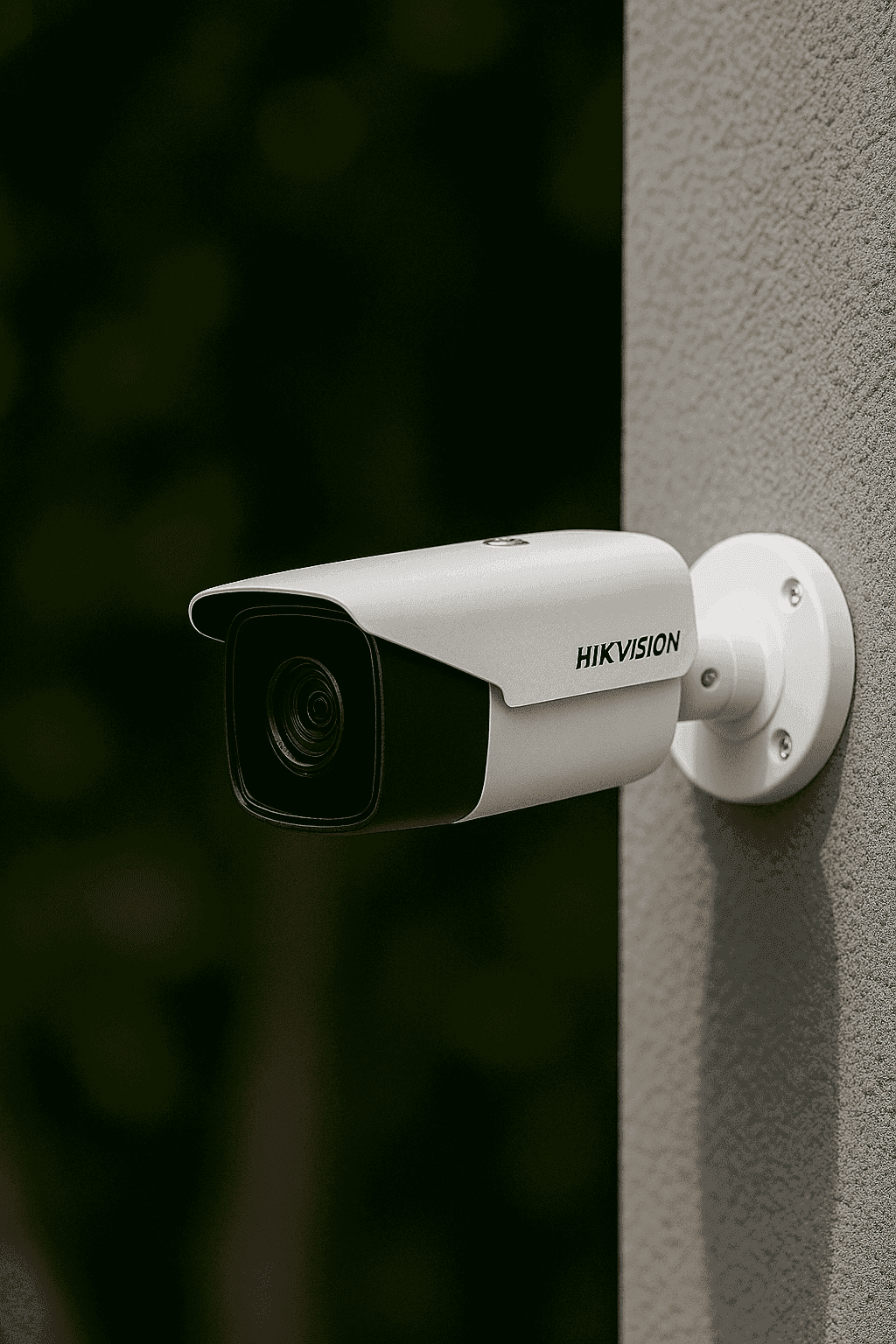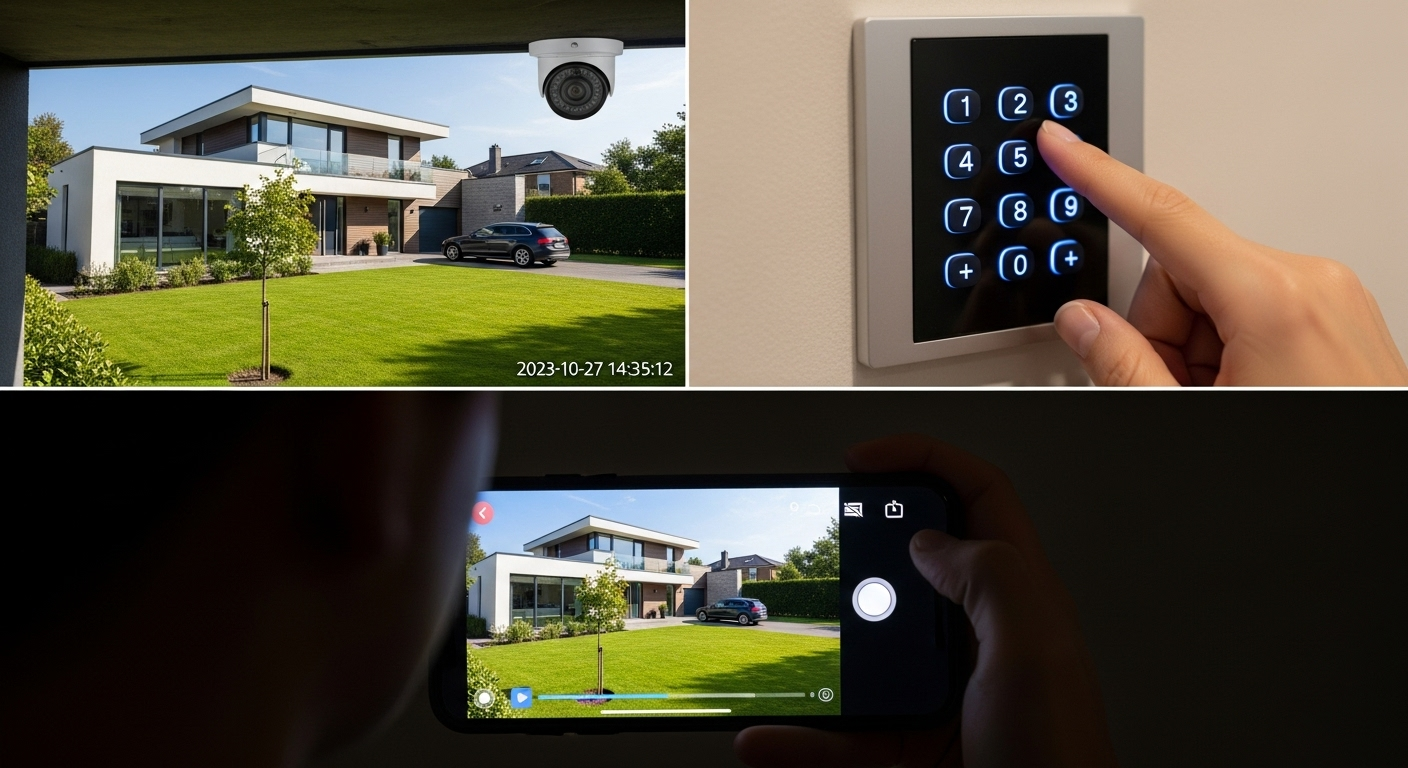

In an era where property crime and security threats are evolving rapidly, professional CCTV monitoring has become an indispensable component of comprehensive security strategies across Australia. From small retail stores in suburban shopping centres to large industrial complexes in major cities, monitored surveillance systems provide round-the-clock protection that far exceeds the capabilities of traditional recording-only setups.
The Evolution of CCTV Monitoring in Australia
From Recording to Active Surveillance
Traditional CCTV systems simply recorded footage for later review – often after an incident had occurred and damage was done. Modern professional monitoring transforms surveillance into an active security measure, with trained operators watching feeds in real-time and responding immediately to potential threats.
Australian Monitoring Standards
Professional monitoring services in Australia must comply with stringent industry standards:
ASIAL Certification The Australian Security Industry Association Limited sets Grade A1 monitoring centre standards, requiring:
- Redundant communication pathways
- Backup power systems
- Trained operator certifications
- Response time guarantees
Privacy Act Compliance Monitoring services must ensure:
- Secure data transmission and storage
- Access logs for all viewing activities
- Consent and notification procedures
- Cross-border data restrictions
How Professional CCTV Monitoring Works
Real-Time Surveillance Operations
24/7 Monitoring Centres Professional monitoring centres operate continuously with:
- Multiple operators per shift
- Redundant viewing stations
- Direct emergency service connections
- Escalation protocols for different threat levels
Intelligent Alert Systems Modern systems combine human expertise with AI technology:
- Motion detection algorithms
- Facial recognition capabilities
- Behaviour analysis software
- Vehicle number plate recognition
Response Protocols
When suspicious activity is detected, professional monitoring follows established protocols:
- Initial Assessment: Operators evaluate the threat within 30 seconds
- Verification: Multiple angles and sensors confirm genuine incidents
- Response Dispatch: Appropriate authorities or security guards contacted
- Client Notification: Property owners receive immediate alerts
- Incident Documentation: Detailed reports created for insurance and legal purposes
Benefits of Professional Monitoring vs Self-Monitoring
Human Expertise
Trained Operators Professional monitoring staff undergo extensive training:
- Threat recognition and assessment
- Emergency response procedures
- Technology operation and troubleshooting
- Legal and privacy compliance
24/7 Availability Unlike property owners who sleep, travel, or get distracted, professional monitors maintain constant vigilance, ensuring no incident goes unnoticed.
Advanced Technology Integration
AI-Enhanced Detection Professional services employ sophisticated analytics:
- Perimeter Intrusion: Detects fence climbing or boundary breaches
- Loitering Detection: Identifies suspicious lingering behaviour
- Object Recognition: Spots abandoned packages or removed items
- Crowd Analysis: Monitors gathering sizes and behaviour patterns
Multi-Sensor Integration Monitoring centres can combine:
- CCTV cameras with thermal imaging
- Motion sensors and glass break detectors
- Access control systems and alarms
- Environmental sensors for fire and flood
Legal and Insurance Advantages
Evidence Quality Professional monitoring ensures:
- Continuous recording without gaps
- Timestamped and authenticated footage
- Chain of custody documentation
- Expert witness availability for court proceedings
Insurance Benefits Many insurers offer significant premium reductions for professionally monitored properties:
- Commercial properties: 10-25% discount
- Residential properties: 5-15% discount
- Proof of monitoring required for high-value claims
- Faster claim processing with verified incident reports
Industry-Specific Applications
Retail and Commercial
Loss Prevention Professional monitoring addresses retail-specific challenges:
- Employee theft detection
- Customer shoplifting prevention
- After-hours break-in protection
- Delivery and loading dock security
Business Intelligence Advanced analytics provide valuable insights:
- Customer traffic patterns
- Peak shopping times analysis
- Staff productivity monitoring
- Queue management optimization
Industrial and Manufacturing
Asset Protection Large industrial sites require specialized monitoring:
- Expensive equipment and machinery protection
- Raw material and finished goods security
- Perimeter monitoring for large compounds
- Vehicle and personnel tracking systems
Operational Safety Monitoring services can identify:
- Safety protocol violations
- Emergency situation development
- Environmental hazard detection
- Compliance monitoring for regulations
Residential Complexes
Community Security Apartment buildings and gated communities benefit from:
- Common area surveillance
- Visitor and resident identification
- Parking and recreational facility monitoring
- Emergency response coordination
Individual Property Protection Professional monitoring serves individual homes through:
- Vacation monitoring services
- Elderly resident check services
- Child safety monitoring
- Property maintenance oversight
Cost Analysis and ROI
Monitoring Service Pricing
Professional CCTV monitoring costs vary based on:
Basic Monitoring: $50-$150 per month
- Single location surveillance
- Standard business hours coverage
- Email and SMS alerts
- Basic incident reporting
Comprehensive Monitoring: $200-$500 per month
- 24/7/365 coverage
- Multiple camera feeds
- Immediate response dispatch
- Detailed analytics and reporting
Enterprise Solutions: $1,000+ per month
- Multi-site monitoring
- Advanced AI analytics
- Dedicated account management
- Custom integration services
Return on Investment
Loss Prevention Savings
- Retail shrinkage reduction: 30-60%
- Equipment theft prevention: $10,000-$100,000+ annually
- Insurance claim reduction: 40-70%
- False alarm fee elimination: $500-$2,000 annually
Operational Efficiency
- Reduced on-site security staff costs
- Improved emergency response times
- Better resource allocation
- Enhanced safety compliance
Technology Trends in CCTV Monitoring
Artificial Intelligence Integration
Machine Learning Applications AI systems continuously improve through:
- Pattern recognition learning
- False alarm reduction algorithms
- Behaviour baseline establishment
- Predictive threat assessment
Computer Vision Advances Modern systems can:
- Distinguish between humans, animals, and vehicles
- Recognize specific individuals from databases
- Detect weapons and suspicious objects
- Monitor for PPE compliance in industrial settings
Cloud-Based Solutions
Scalability and Flexibility Cloud monitoring platforms offer:
- Easy camera addition and relocation
- Remote system management
- Automatic software updates
- Global accessibility with local data storage
Cost Effectiveness Cloud solutions reduce:
- Initial hardware investment
- Maintenance and upgrade costs
- IT infrastructure requirements
- Technical support needs
Integration with Smart Building Systems
IoT Connectivity Modern monitoring integrates with:
- Access control systems
- Building management systems
- Fire and safety alarms
- Environmental monitoring sensors
Automated Responses Integrated systems can:
- Lock doors during security breaches
- Activate lighting in response to movement
- Adjust HVAC systems based on occupancy
- Trigger evacuation procedures automatically
Choosing the Right Monitoring Service
Key Selection Criteria
Certification and Compliance Verify monitoring services have:
- ASIAL Grade A1 certification
- Insurance industry recognition
- Privacy Act compliance documentation
- Emergency services liaison agreements
Technology Capabilities Ensure services offer:
- High-definition video quality
- Mobile app accessibility
- Multiple communication methods
- Integration with existing security systems
Response Procedures Understand the service’s:
- Average response times
- Escalation protocols
- Emergency service relationships
- Client communication procedures
Contract Considerations
Service Level Agreements Professional monitoring contracts should specify:
- Response time guarantees
- Uptime commitments
- Equipment maintenance responsibilities
- Performance measurement criteria
Pricing Structure Understand all costs including:
- Monthly monitoring fees
- Installation and setup charges
- Equipment upgrade costs
- Additional service fees
Privacy and Legal Considerations
Australian Privacy Laws
Surveillance Legislation Each state has specific requirements for CCTV use:
- Appropriate signage placement
- Data storage limitations
- Access request procedures
- Cross-border data transfer restrictions
Workplace Surveillance Employee monitoring requires:
- Written policies and procedures
- Staff notification and training
- Union consultation where applicable
- Clear purpose justification
Data Security
Transmission Protection Professional monitoring ensures:
- Encrypted video streams
- Secure communication channels
- Access control for viewing systems
- Regular security audits and updates
Storage Compliance Monitoring services must maintain:
- Secure server facilities
- Regular backup procedures
- Retention period compliance
- Authorised access controls
Future of CCTV Monitoring
Emerging Technologies
5G Connectivity Ultra-fast mobile networks enable:
- Higher quality video streaming
- Reduced latency for real-time monitoring
- Mobile monitoring unit deployment
- Edge computing for faster analysis
Augmented Reality AR integration offers:
- Enhanced operator interfaces
- 3D site visualisation
- Contextual information overlay
- Remote maintenance guidance
Predictive Analytics
Behavioural Prediction Advanced systems will:
- Forecast security incidents
- Optimize guard patrol routes
- Predict equipment maintenance needs
- Identify emerging threat patterns
Environmental Integration Future monitoring will incorporate:
- Weather pattern analysis
- Social media threat monitoring
- Traffic pattern correlation
- Economic indicator integration
Conclusion
Professional CCTV monitoring represents a significant evolution in security protection, transforming passive recording systems into active defence mechanisms. For Australian property owners and businesses, the combination of human expertise, advanced technology, and 24/7 vigilance provides unmatched security value.
The investment in professional monitoring services typically pays for itself through loss prevention, insurance savings, and peace of mind. As technology continues to advance, these services become increasingly sophisticated while remaining cost-effective for properties of all sizes.
Whether protecting a single retail store or a multi-site industrial operation, professional CCTV monitoring offers the comprehensive security coverage that modern Australian properties require. The key is selecting a certified, experienced monitoring service that aligns with your specific security needs and budget requirements.