Access control systems have revolutionized security management across Australia, evolving from simple lock-and-key mechanisms to sophisticated digital platforms that provide unprecedented control over who enters specific areas and when. As Australian businesses and residential complexes increasingly prioritize security, understanding modern access control options becomes essential for property owners, facility managers, and security professionals.
Understanding Access Control Fundamentals
Core Components of Modern Systems
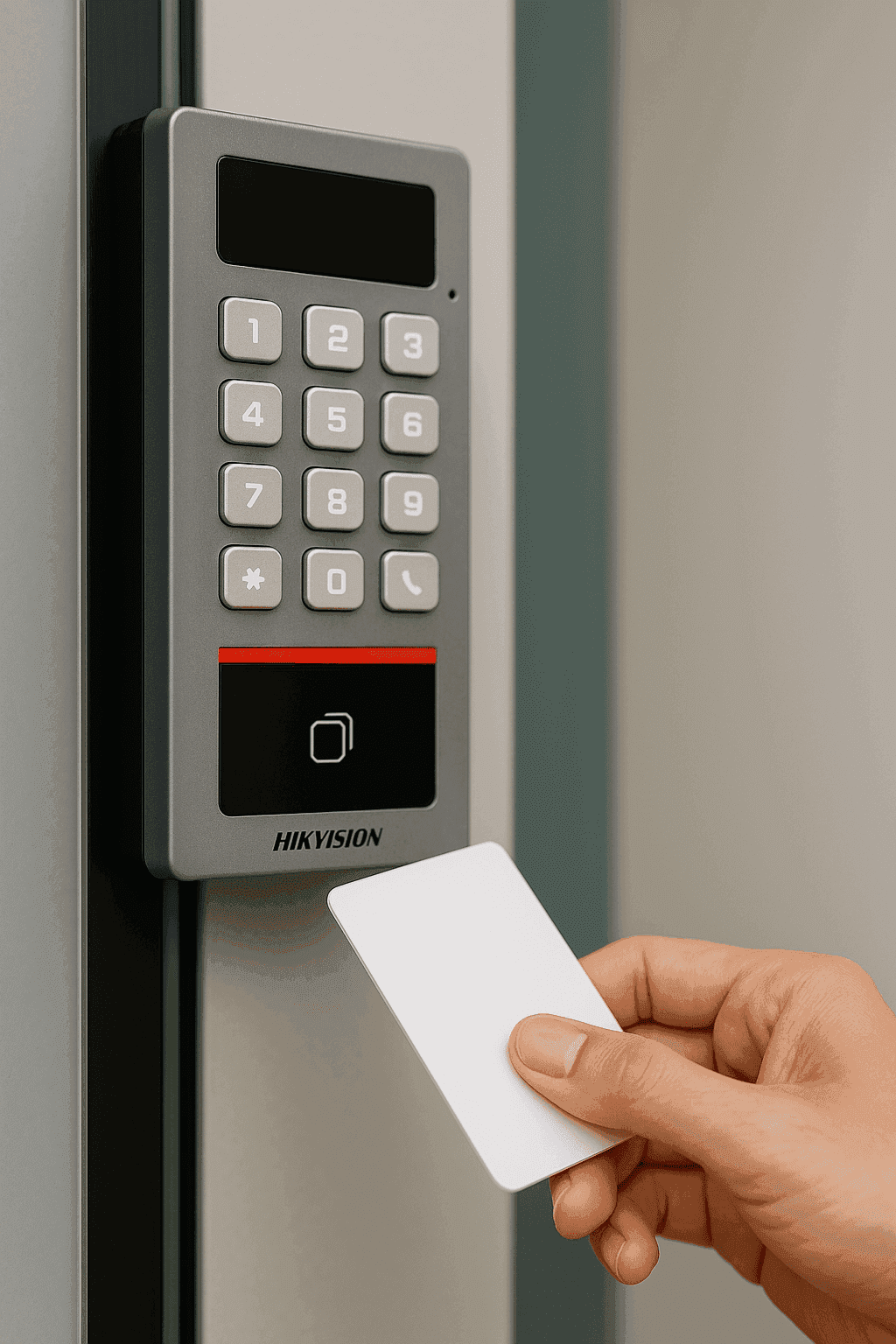
Authentication Methods Modern access control systems use multiple authentication factors:
- Something you have: Key cards, fobs, or mobile credentials
- Something you know: PIN codes or passwords
- Something you are: Biometric identifiers like fingerprints or facial features
- Multi-factor authentication: Combinations of the above for enhanced security
System Architecture Professional access control systems comprise:
- Controllers: Central processing units managing access decisions
- Readers: Devices that capture and verify credentials
- Locks: Electronic mechanisms controlling physical access
- Management Software: Platforms for system administration and reporting
Australian Standards and Compliance
AS/NZS 4145 Series Australian access control installations must comply with:
- AS/NZS 4145.1: Access control systems for buildings
- AS/NZS 4145.2: Application guidelines
- Performance standards for readers and controllers
- Integration requirements with other security systems
Privacy and Data Protection Australian access control systems must address:
- Privacy Act 1988 requirements for personal data collection
- Biometric data protection under state privacy laws
- Employee surveillance notification requirements
- Data retention and disposal procedures
Types of Access Control Systems
Card-Based Systems
Proximity Cards Low-frequency RFID technology offering:
- Cost-effective credentials for large user populations
- Range of 5-15cm for contactless operation
- Basic encryption suitable for low-security applications
- Easy integration with existing security infrastructure
Smart Cards Advanced card technology providing:
- High-frequency operation with enhanced security
- Multiple application support on single credentials
- Strong encryption for sensitive environments
- Integration with payment and identification systems
Mobile Credentials Smartphone-based access using:
- Bluetooth Low Energy (BLE) communication
- NFC technology for tap-to-enter functionality
- Encrypted digital keys stored in secure elements
- Remote provisioning and management capabilities
Biometric Access Control
Fingerprint Recognition The most common biometric method featuring:
- High accuracy rates with low false acceptance
- Suitable for indoor and outdoor applications
- Integration with time and attendance systems
- AES encryption for template protection
Facial Recognition Advanced biometric technology offering:
- Contactless operation suitable for hygiene-conscious environments
- Integration with existing CCTV systems
- Mask detection capabilities post-COVID
- Anti-spoofing measures against photograph attacks
Iris and Retinal Scanning High-security biometric options providing:
- Extremely low false acceptance rates
- Suitable for critical infrastructure protection
- Hygienic contactless operation
- Resistance to environmental factors
Mechanical and Electronic Locks
Electric Strikes Door hardware integration allowing:
- Retrofit installation on existing doors
- Fail-safe or fail-secure operation modes
- Integration with building management systems
- Suitable for glass doors and commercial applications
Magnetic Locks Electromagnetic locking systems offering:
- High holding force (600-1,200 pounds)
- No moving parts for reliable operation
- Fire safety compliance with automatic release
- Suitable for emergency exit requirements
Smart Locks Residential and light commercial solutions featuring:
- Wi-Fi connectivity for remote management
- Temporary access code generation
- Integration with smart home systems
- Battery operation with low-power alerts
Industry-Specific Applications
Commercial Office Buildings
Multi-Tenant Management Office buildings require sophisticated systems supporting:
- Individual tenant access zones
- Common area access scheduling
- Visitor management integration
- Elevator control and floor restrictions
Employee Lifecycle Management Streamlined processes for:
- New hire credential provisioning
- Role-based access level assignment
- Temporary access for contractors
- Automatic deactivation upon termination
Healthcare Facilities
HIPAA and Privacy Compliance Medical facilities need access control addressing:
- Patient privacy protection
- Medication storage security
- Restricted area access (OR, ICU, pharmacy)
- Audit trails for compliance reporting
Emergency Access Procedures Healthcare-specific features including:
- Nurse station override capabilities
- Emergency lockdown procedures
- Integration with nurse call systems
- Rapid access during medical emergencies
Educational Institutions
Campus-Wide Integration Schools and universities implement systems providing:
- Student and staff identification integration
- Classroom and facility scheduling
- Library and laboratory access control
- Emergency lockdown capabilities
Child Protection Measures K-12 schools require specialized features:
- Visitor screening and badge printing
- Parent pickup verification systems
- Playground and restricted area protection
- Integration with school communication systems
Industrial and Manufacturing
Zone-Based Security Industrial facilities need systems supporting:
- Production area access control
- Hazardous material storage security
- Contractor and vendor management
- Integration with safety shutdown systems
Compliance and Audit Requirements Manufacturing environments require:
- OSHA compliance for restricted areas
- Environmental protection access controls
- Quality control area restrictions
- Detailed audit trails for certification
Advanced Features and Integration
Cloud-Based Management
Remote Administration Modern systems offer cloud platforms enabling:
- Multi-site management from central locations
- Real-time monitoring and alerts
- Remote credential management
- Mobile app administration
Scalability and Updates Cloud systems provide:
- Easy expansion without hardware upgrades
- Automatic software updates and patches
- Disaster recovery and data backup
- Pay-as-you-grow pricing models
Artificial Intelligence Integration
Behavioral Analytics AI-enhanced systems can:
- Detect unusual access patterns
- Identify tailgating and unauthorized entry
- Predict maintenance requirements
- Optimize access flows and reduce congestion
Facial Recognition Enhancement Machine learning improves:
- Recognition accuracy over time
- Performance in varying lighting conditions
- Age and appearance change adaptation
- Emotion and behavior analysis
Integration with Building Systems
HVAC and Lighting Control Access control integration enables:
- Automatic lighting activation upon entry
- HVAC adjustment based on occupancy
- Energy savings through presence detection
- Environmental optimization for comfort
Fire and Life Safety Safety system integration provides:
- Automatic unlock during fire alarms
- Emergency evacuation route control
- Integration with mass notification systems
- First responder access override
Implementation Planning and Best Practices
Needs Assessment
Security Risk Analysis Effective planning begins with:
- Threat and vulnerability assessment
- Asset value identification
- Compliance requirement evaluation
- Budget and timeline establishment
User Requirements Consider stakeholder needs including:
- Daily operational workflows
- Peak usage times and patterns
- Special access requirements
- Technology comfort levels
System Design Considerations
Scalability Planning Design systems that accommodate:
- Future expansion of facilities
- Increased user populations
- Additional security features
- Technology evolution and upgrades
Redundancy and Reliability Ensure system reliability through:
- Backup power systems (UPS and generators)
- Redundant communication pathways
- Local controller intelligence
- Manual override capabilities
Installation and Commissioning
Professional Installation Quality installation requires:
- Licensed security equipment installers
- Compliance with Australian Standards
- Integration with existing infrastructure
- Comprehensive testing and commissioning
User Training and Support Successful implementation includes:
- Administrator training programs
- End-user orientation sessions
- Documentation and procedures
- Ongoing technical support arrangements
Cost Analysis and Budget Planning
Initial Investment Factors
System Components Access control costs include:
- Controllers: $500-$3,000 per unit
- Card readers: $200-$1,500 each
- Electronic locks: $300-$2,000 per door
- Management software: $2,000-$50,000 licensing
Installation Services Professional installation costs:
- Basic systems: $500-$1,500 per door
- Complex integrations: $2,000-$5,000 per door
- Network infrastructure: $100-$500 per door
- Programming and commissioning: $2,000-$10,000
Ongoing Operational Costs
Maintenance and Support Annual maintenance typically includes:
- Hardware warranty and repairs
- Software updates and licensing
- Technical support contracts
- Credential replacement and management
Cloud Service Fees Monthly fees for cloud-based systems:
- Basic plans: $10-$30 per door
- Advanced features: $30-$100 per door
- Enterprise solutions: Custom pricing
- Storage and bandwidth charges
Return on Investment
Quantifiable Benefits Access control systems provide:
- Reduced security guard costs
- Insurance premium discounts
- Improved operational efficiency
- Enhanced asset protection
Risk Mitigation Value Security improvements offer:
- Reduced theft and unauthorized access
- Compliance with regulatory requirements
- Improved emergency response capabilities
- Enhanced reputation and tenant satisfaction
Future Trends and Innovations
Emerging Technologies
5G and IoT Integration Next-generation systems will feature:
- Ultra-fast connectivity for real-time processing
- Edge computing for reduced latency
- Massive IoT device integration
- Enhanced mobile credential capabilities
Blockchain Technology Distributed ledger applications include:
- Tamper-proof access logs
- Decentralized credential management
- Smart contracts for automatic provisioning
- Enhanced privacy protection
Sustainability and Environmental Impact
Energy Efficiency Modern systems emphasize:
- Low-power device operation
- Solar-powered remote installations
- Energy harvesting technologies
- Green building certification contributions
Sustainable Manufacturing Industry trends toward:
- Recycled materials in device construction
- Extended product lifecycles
- Responsible e-waste disposal
- Carbon-neutral manufacturing processes
Conclusion
Modern access control systems represent a fundamental shift from traditional security approaches, offering Australian organizations unprecedented control, visibility, and flexibility in managing facility access. The technology has matured to provide reliable, cost-effective solutions suitable for organizations of all sizes and security requirements.
Success with access control implementation depends on thorough planning, professional installation, and ongoing management commitment. By understanding available technologies, compliance requirements, and best practices, Australian organizations can implement access control systems that enhance security while supporting operational efficiency.
As technology continues to evolve, access control systems will become even more integrated with broader security and building management platforms. Organizations investing in modern access control today position themselves to leverage future innovations while building a solid foundation for comprehensive security management.
The key is selecting systems that balance current needs with future flexibility, ensuring your access control investment continues to deliver value as your organization and the technology landscape evolve.