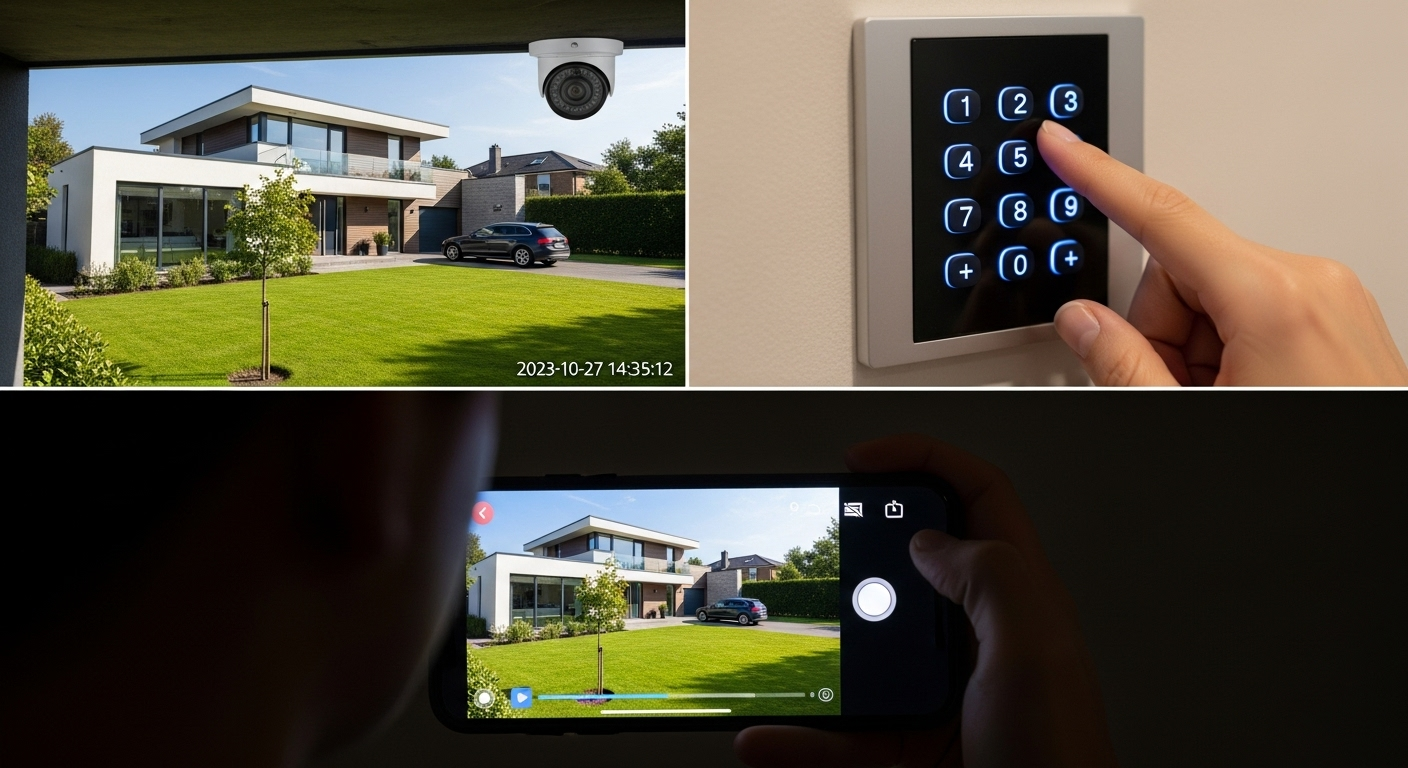

Australia stands at the forefront of security technology adoption in the Asia-Pacific region. As we navigate through 2025, revolutionary technologies are reshaping how we protect our homes, businesses, and critical infrastructure. This comprehensive guide explores the emerging trends that are defining the future of security in Australia, from AI-driven systems to quantum-resistant encryption.
AI and Machine Learning in Security
Predictive Analytics
Australian security providers are leveraging AI to predict and prevent incidents before they occur. Machine learning algorithms analyse patterns from millions of data points to identify:
- Unusual behaviour patterns indicating potential threats
- Peak vulnerability times for specific locations
- Correlation between environmental factors and security incidents
Melbourne’s CBD has implemented predictive policing systems that have reduced property crime by 23% since 2024.
Autonomous Response Systems
AI-powered security systems now make split-second decisions without human intervention:
- Automatic lockdown procedures when weapons are detected
- Dynamic access control adjusting to threat levels
- Intelligent alarm verification reducing false positives by 78%
Biometric Advancements
Multi-Modal Authentication
Gone are the days of single biometric factors. Australian organisations are adopting:
- Fusion biometrics: Combining facial, voice, and gait recognition
- Behavioural biometrics: Analysing typing patterns and device handling
- Continuous authentication: Ongoing verification throughout sessions
Privacy-Preserving Biometrics
Responding to Australian privacy concerns, new technologies include:
- Homomorphic encryption allowing biometric matching without decryption
- On-device processing eliminating cloud storage requirements
- Biometric templates that cannot be reverse-engineered
Major Australian banks including Westpac and Commonwealth Bank have deployed these privacy-preserving systems for customer authentication.
Drone Surveillance
Autonomous Patrol Drones
Security drones equipped with:
- Thermal imaging for 24/7 surveillance
- AI-powered anomaly detection
- 5G connectivity for real-time streaming
- Solar charging for extended operations
Mining companies like BHP and Rio Tinto use drone swarms to monitor vast operational areas across Western Australia.
Counter-Drone Technology
As drone threats increase, Australian companies deploy:
- RF jammers for unauthorised drone neutralisation
- Drone detection radar systems
- AI-powered drone identification and tracking
- Geofencing technology creating no-fly zones
IoT Security Devices
Smart Sensor Networks
The Internet of Things revolutionises security monitoring through:
- Environmental sensors detecting chemical threats
- Vibration sensors on critical infrastructure
- Smart locks with blockchain-based access logs
- Connected panic buttons with precise location tracking
Edge Computing Integration
Processing data locally reduces latency and improves privacy:
- Sub-second threat detection and response
- Reduced bandwidth requirements
- Enhanced data sovereignty compliance
- Resilience against network outages
Cloud-Based Security Platforms
Unified Security Operations
Australian businesses embrace cloud platforms offering:
- Single pane of glass for physical and cyber security
- Scalability from small business to enterprise
- AI-powered correlation across multiple data sources
- Compliance automation for Australian standards
Hybrid Cloud Solutions
Balancing security and accessibility through:
- Critical data stored on-premise
- Analytics and reporting in the cloud
- Encrypted tunnels between locations
- Automatic failover capabilities
5G Impact on Security
Enhanced Capabilities
5G networks enable:
- 4K video streaming from hundreds of cameras simultaneously
- Near-zero latency for critical response systems
- Massive IoT device connectivity
- Network slicing for dedicated security channels
Mobile Edge Computing
5G’s edge computing capabilities bring:
- Local processing at cell towers
- Reduced response times to milliseconds
- Enhanced privacy through localised data processing
- Resilience against core network failures
Australian Government Initiatives
National Security Technology Accelerator
The federal government’s $200 million investment focuses on:
- Quantum computing for unbreakable encryption
- AI systems for border security
- Collaborative threat intelligence platforms
- Critical infrastructure protection technologies
Smart Cities Programs
Perth and Adelaide lead smart city security implementations:
- Integrated emergency response systems
- Public safety IoT networks
- Citizen reporting apps with AI triage
- Environmental threat monitoring
Case Studies and Pilot Programs
Sydney Airport Biometric Trials
Seamless passenger processing using:
- Facial recognition from check-in to boarding
- Behavioural analysis for threat detection
- Integration with international security databases
- 50% reduction in processing times
Brisbane’s AI-Powered Event Security
During major events like the Brisbane Festival:
- Crowd density monitoring preventing crushes
- Weapons detection without physical searches
- Lost child facial recognition reunification
- Real-time threat assessment and response
Melbourne’s Retail Security Revolution
Major retailers including Woolworths and Coles implement:
- AI-powered loss prevention reducing theft by 40%
- Customer behaviour analytics
- Staff safety monitoring systems
- Integration with police databases
Privacy and Regulatory Landscape
Australian Privacy Principles Compliance
New technologies must balance security with privacy:
- Mandatory privacy impact assessments
- Citizen opt-out provisions for public surveillance
- Data minimisation requirements
- Transparent AI decision-making processes
Ethical AI Framework
Standards Australia’s guidelines ensure:
- Explainable AI decisions in security contexts
- Human oversight requirements
- Bias testing and mitigation
- Regular algorithm auditing
Future Predictions 2025-2030
Quantum-Resistant Security
Preparing for quantum computing threats:
- Post-quantum cryptography implementation
- Quantum key distribution networks
- Quantum random number generators
- Hybrid classical-quantum security systems
Autonomous Security Robots
Next-generation security presence:
- Patrol robots with advanced mobility
- Natural language interaction capabilities
- Integrated drone deployment
- Collaborative human-robot operations
Neural Security Interfaces
Emerging technologies include:
- Thought-pattern authentication
- Stress detection for duress situations
- Brain-computer interfaces for security control
- Cognitive load analysis for insider threats
Biometric Payment Integration
Security and convenience merge:
- Palm-vein payment systems
- Voice-authenticated transactions
- Behavioural biometric fraud prevention
- Seamless identity verification
Implementation Strategies
For organisations looking to adopt these technologies:
- Start with pilot programs: Test new technologies in controlled environments
- Ensure staff training: Invest in comprehensive training programs
- Plan for integration: Consider how new systems work with existing infrastructure
- Address privacy concerns: Engage stakeholders early and transparently
- Future-proof investments: Choose systems with upgrade paths
Conclusion
The security technology landscape in Australia is evolving at an unprecedented pace. From AI-powered predictive systems to quantum-resistant encryption, these innovations promise enhanced protection while raising important questions about privacy and ethics.
As we move forward, successful adoption will require balancing technological capabilities with Australian values of privacy and civil liberties. Organisations that embrace these trends thoughtfully, with proper consideration for regulatory compliance and ethical implications, will be best positioned to protect their assets and people in an increasingly complex threat landscape.
The future of security in Australia is not just about deploying cutting-edge technology – it’s about creating intelligent, responsive systems that enhance safety while respecting the rights and privacy of all Australians.