
All Articles

Security System Maintenance in Australia: Ensuring Optimal Performance and Longevity

Written by Jacob H. on January 23, 2025

Article Image

Proper maintenance of security systems is the cornerstone of reliable protection, ensuring that cameras, alarms, access controls, and monitoring systems perform optimally when needed most. In Australia’s diverse and often harsh environmental conditions, systematic maintenance becomes even more critical for preserving system effectiveness and extending equipment lifespan. This comprehensive guide provides Australian property owners and security professionals with essential knowledge for maintaining security systems effectively.

Understanding Security System Maintenance Fundamentals

The Cost of Poor Maintenance

Operational Consequences Neglecting security system maintenance leads to:

  • System failures during critical security incidents
  • False alarms causing unnecessary emergency service callouts
  • Degraded performance reducing detection accuracy and response times
  • Shortened equipment lifespan requiring premature replacement

Financial Impact Poor maintenance practices result in:

  • Emergency repair costs often 3-5 times higher than planned maintenance
  • Insurance claim complications from poorly maintained systems
  • Regulatory compliance issues with potential fines and penalties
  • Opportunity costs from system downtime and reduced protection

Legal and Compliance Risks Inadequate maintenance can create:

  • Liability exposure if systems fail during security incidents
  • Insurance coverage denial for claims involving unmaintained systems
  • Regulatory violations where maintenance is required by law
  • Warranty voidance through failure to follow manufacturer requirements

Australian Environmental Challenges

Climate Impact on Security Equipment Australia’s diverse climate poses unique maintenance challenges:

  • Extreme heat affecting electronic components and battery life
  • UV radiation degrading plastic housings and cable insulation
  • Humidity and salt air causing corrosion in coastal areas
  • Dust and sand infiltrating equipment and affecting mechanical components

Seasonal Maintenance Considerations Different seasons require specific attention:

  • Summer: Heat management, air conditioning system checks, battery performance monitoring
  • Winter: Heating system coordination, condensation management, reduced daylight adjustments
  • Wet season: Water ingress protection, drainage system maintenance, humidity control
  • Dry season: Dust management, static electricity prevention, vegetation control

Preventive Maintenance Programs

Systematic Maintenance Planning

Risk-Based Maintenance Strategy Prioritizing maintenance activities based on:

  • Criticality assessment of different system components
  • Failure impact analysis understanding consequences of component failures
  • Environmental exposure adjusting maintenance frequency for harsh conditions
  • Usage patterns increasing maintenance for heavily used systems

Maintenance Schedule Development Creating comprehensive maintenance calendars including:

  • Daily checks for critical system status indicators
  • Weekly inspections of high-use components and areas
  • Monthly maintenance for routine cleaning and adjustments
  • Quarterly service for comprehensive system testing and calibration

Component-Specific Maintenance

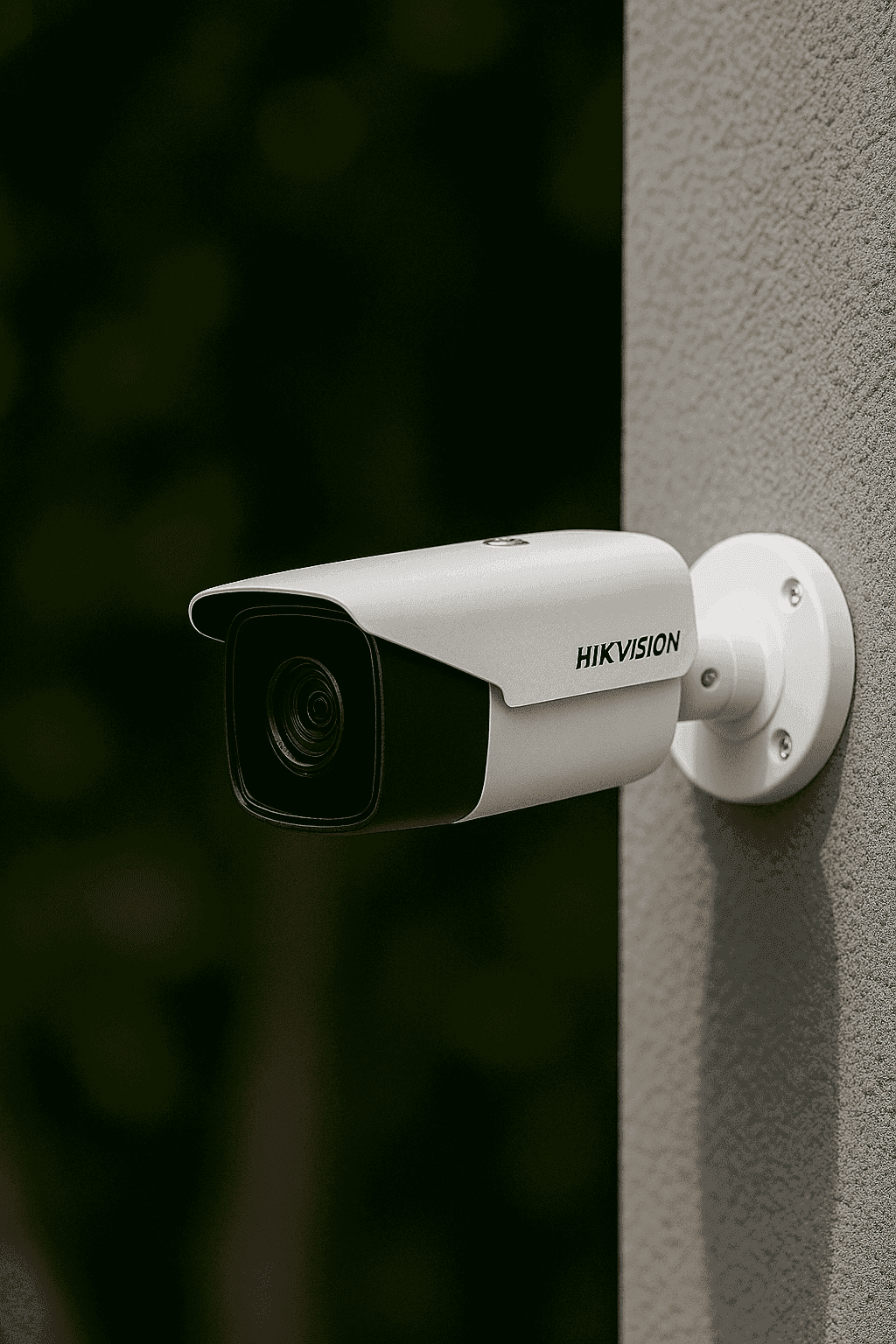
CCTV System Maintenance Cameras require regular attention to:

  • Lens cleaning removing dust, water spots, and environmental contamination
  • Housing inspection checking weatherproofing and mounting integrity
  • Connection verification testing power and data connections
  • Image quality assessment ensuring optimal video quality and coverage

Access Control System Care Card readers, keypads, and electronic locks need:

  • Reader cleaning removing dust and debris from card slots and keypads
  • Lock mechanism lubrication ensuring smooth operation of mechanical components
  • Door alignment checks preventing binding and excessive wear
  • Battery replacement in electronic locks and wireless components

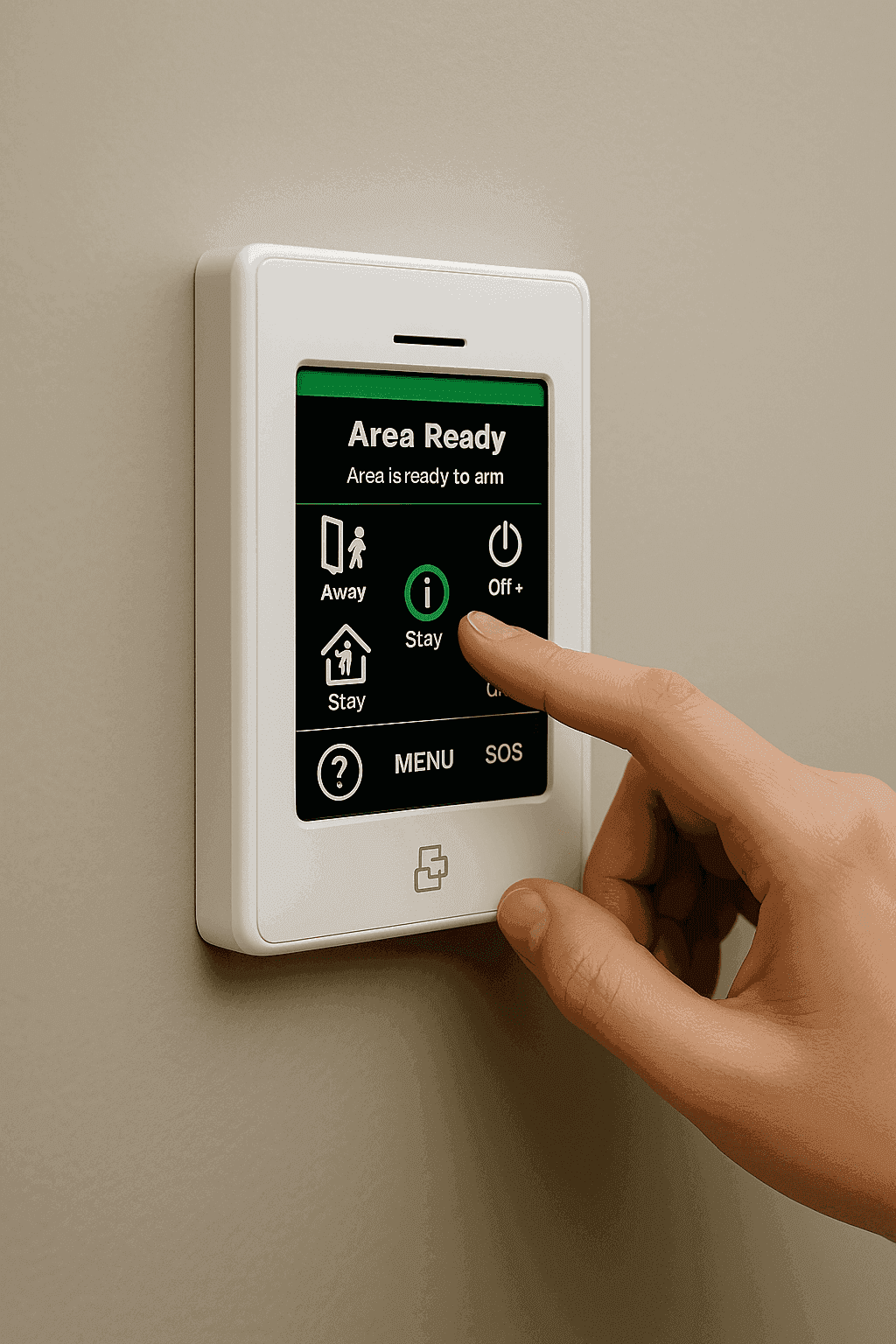
Alarm System Maintenance Sensors and control panels require:

  • Sensor testing verifying detection capability and sensitivity settings
  • Battery backup checks ensuring systems operate during power outages
  • Communication testing confirming connectivity to monitoring services
  • Zone testing validating all protected areas respond correctly

Technology-Specific Maintenance Requirements

IP-Based Security Systems

Network Infrastructure Maintenance Modern IP security systems depend on:

  • Switch and router maintenance ensuring network equipment operates reliably
  • Cable testing verifying data transmission quality and speed
  • Network security updates maintaining firewall and security software
  • Bandwidth monitoring ensuring adequate network capacity

Software and Firmware Management Keeping systems current through:

  • Regular updates applying manufacturer security patches and improvements
  • Configuration backups protecting system settings and customizations
  • Database maintenance optimizing storage and retrieval performance
  • User account management maintaining appropriate access controls

Wireless Security Systems

Radio Frequency Management Wireless systems require attention to:

  • Signal strength monitoring ensuring reliable communication between components
  • Interference analysis identifying and mitigating sources of RF interference
  • Antenna inspection checking for damage or obstruction
  • Frequency coordination managing multiple wireless systems in the same area

Battery Management Wireless devices depend on power management:

  • Battery life monitoring tracking remaining capacity and replacement schedules
  • Charging system maintenance ensuring backup batteries charge properly
  • Environmental temperature managing heat effects on battery performance
  • Power consumption optimization adjusting settings to extend battery life

Cloud-Connected Systems

Connectivity and Communication Cloud systems require ongoing attention to:

  • Internet connectivity ensuring reliable high-speed connections
  • Cloud service health monitoring service availability and performance
  • Data synchronization verifying local and cloud data consistency
  • Access credential management maintaining secure authentication

Diagnostic and Troubleshooting Procedures

Systematic Problem Identification

Performance Monitoring Establishing baselines and monitoring for deviations:

  • System performance metrics tracking response times and processing capacity
  • Error logging and analysis identifying patterns and trends in system errors
  • User feedback collection gathering input from system operators and users
  • Comparative analysis benchmarking against manufacturer specifications

Diagnostic Tools and Techniques Professional maintenance utilizes:

  • Network analyzers testing data transmission and connectivity
  • Multimeters and testing equipment measuring electrical parameters
  • Software diagnostic tools analyzing system logs and performance data
  • Thermal imaging identifying overheating components and connections

Common Problem Resolution

Camera System Issues Frequent problems and solutions:

  • Poor image quality: Lens cleaning, lighting adjustment, focus calibration
  • Intermittent recording: Storage system checks, network connectivity verification
  • Night vision problems: IR illuminator maintenance, camera positioning review
  • Remote viewing issues: Network configuration, bandwidth allocation, firewall settings

Access Control Problems Typical issues and remedies:

  • Card reader failures: Cleaning, alignment adjustment, wiring inspection
  • Door lock malfunctions: Mechanical lubrication, electrical connection checks, power supply testing
  • System database errors: Backup restoration, database optimization, software updates
  • Integration problems: Communication protocol verification, software compatibility checks

Alarm System Troubles Common challenges and solutions:

  • False alarms: Sensor sensitivity adjustment, environmental factor management, maintenance
  • Communication failures: Phone line testing, internet connection verification, cellular signal checks
  • Zone problems: Wiring inspection, sensor replacement, control panel programming
  • User interface issues: Display replacement, keypad cleaning, software updates

Professional vs DIY Maintenance

When to Use Professional Services

Complex System Maintenance Professional services are essential for:

  • Integrated security platforms requiring specialized knowledge and tools
  • High-security applications where mistakes could compromise protection
  • Compliance-critical systems needing certified maintenance for regulatory requirements
  • Warranty preservation maintaining manufacturer warranty coverage

Specialized Skills Requirements Professional technicians provide:

  • Advanced diagnostic capabilities using professional-grade testing equipment
  • Manufacturer training on specific equipment and systems
  • Compliance knowledge understanding regulatory requirements and standards
  • Safety expertise working safely with electrical and electronic systems

DIY Maintenance Capabilities

Basic Maintenance Tasks Property owners can perform:

  • Visual inspections checking for obvious damage or problems
  • Cleaning activities removing dust and debris from accessible components
  • Battery replacement in simple devices like smoke detectors and remote controls
  • Basic testing verifying system response to test scenarios

Limitations and Risks DIY maintenance has important constraints:

  • Technical complexity beyond typical property owner skills
  • Safety hazards from electrical work and climbing to access equipment
  • Warranty implications potentially voiding warranties through unauthorized work
  • Liability concerns assuming responsibility for system performance and safety

Maintenance Documentation and Record Keeping

Comprehensive Maintenance Records

Documentation Requirements Effective maintenance programs maintain:

  • Service logs recording all maintenance activities and findings
  • Component histories tracking individual equipment maintenance and performance
  • Problem reports documenting issues, causes, and resolutions
  • Compliance records demonstrating adherence to regulatory requirements

Digital Maintenance Management Modern systems utilize:

  • Computerized maintenance management systems (CMMS) scheduling and tracking maintenance
  • Mobile maintenance apps enabling field technicians to update records in real-time
  • Automated reporting generating maintenance summaries and compliance reports
  • Integration with security systems automatically logging system events and status

Performance Analytics

Trend Analysis Maintenance records enable:

  • Failure pattern identification predicting when components are likely to fail
  • Cost analysis understanding maintenance expenses and optimizing budgets
  • Performance trending tracking system effectiveness over time
  • Vendor performance evaluation assessing service provider quality

Continuous Improvement Data-driven maintenance optimization through:

  • Maintenance interval adjustment optimizing frequency based on actual performance
  • Component upgrade planning identifying when replacement provides better value than repair
  • Training need identification understanding where staff need additional skills
  • Budget forecasting predicting future maintenance requirements and costs

Seasonal Maintenance Schedules

Quarterly Maintenance Programs

Spring Preparation Getting ready for increased activity:

  • Deep cleaning removing winter dust and debris accumulation
  • Electrical system checks verifying connections after winter weather
  • Landscape maintenance trimming vegetation that might obstruct cameras or sensors
  • Air conditioning preparation ensuring cooling systems are ready for summer heat

Summer System Optimization Managing extreme heat challenges:

  • Cooling system maintenance ensuring adequate ventilation and air conditioning
  • Sun angle adjustments repositioning cameras for optimal summer lighting
  • Extended hour testing verifying systems perform during long summer days
  • Heat stress monitoring checking for signs of temperature-related component stress

Autumn Preparation Preparing for weather changes:

  • Weatherproofing inspection ensuring seals and gaskets are intact before wet season
  • Backup power testing verifying emergency power systems before storm season
  • Lighting adjustments accommodating shorter daylight hours
  • Drainage maintenance clearing gutters and drains around security equipment

Winter Readiness Cold weather preparation:

  • Heating system coordination ensuring security systems work with building heating
  • Condensation management preventing moisture problems in equipment enclosures
  • Battery performance monitoring cold weather affects battery capacity
  • Ice and snow considerations planning for weather impact on outdoor equipment

Cost Management and Budgeting

Maintenance Cost Analysis

Total Cost of Ownership Understanding comprehensive maintenance expenses:

  • Planned maintenance costs scheduled service, parts, and labor
  • Unplanned repair expenses emergency service calls and component replacement
  • Opportunity costs system downtime and reduced security effectiveness
  • Compliance costs meeting regulatory requirements and maintaining certifications

Cost Optimization Strategies Reducing maintenance expenses through:

  • Preventive maintenance emphasis reducing expensive emergency repairs
  • Vendor relationship management negotiating better service contracts and pricing
  • Staff training enabling in-house maintenance for appropriate tasks
  • Technology upgrades replacing maintenance-intensive equipment with modern alternatives

Maintenance Budgeting

Annual Budget Development Planning maintenance expenses:

  • Historical cost analysis using past maintenance records to predict future needs
  • Equipment age consideration increasing budgets for aging systems
  • Technology refresh planning budgeting for system upgrades and replacements
  • Emergency reserve allocation maintaining funds for unexpected repairs

Service Contract Evaluation Assessing maintenance service options:

  • Comprehensive service contracts all-inclusive maintenance agreements
  • Pay-per-incident pricing paying only for actual service calls
  • Hybrid approaches combining basic contracts with additional services
  • Self-maintenance programs building internal capabilities to reduce external costs

Regulatory and Compliance Considerations

Australian Standards and Requirements

Maintenance-Related Standards Relevant Australian standards include:

  • AS/NZS 2201 Intruder alarm system standards including maintenance requirements
  • AS/NZS 4145 Access control system standards and maintenance procedures
  • Work Health and Safety legislation requiring maintained safety systems
  • Building codes mandating maintenance of security and safety systems

Industry-Specific Requirements Different sectors have specialized needs:

  • Healthcare facilities requiring maintained access controls and surveillance
  • Educational institutions needing properly maintained safety and security systems
  • Critical infrastructure following enhanced maintenance and testing protocols
  • Government facilities meeting specific security maintenance standards

Compliance Documentation

Record Keeping Requirements Regulatory compliance often requires:

  • Maintenance schedules demonstrating planned maintenance activities
  • Service records proving maintenance has been performed as required
  • Testing documentation verifying system performance meets standards
  • Corrective action records showing how problems have been addressed

Audit and Inspection Preparation Being ready for compliance verification:

  • Documentation organization maintaining accessible and complete records
  • Staff training records demonstrating competency in maintenance procedures
  • Equipment certification ensuring all systems meet current standards
  • Continuous compliance monitoring maintaining readiness for inspection

Emerging Technologies in Maintenance

Predictive Maintenance

IoT and Sensor Integration Modern maintenance leverages technology:

  • Condition monitoring sensors providing real-time equipment health data
  • Predictive analytics forecasting when components are likely to fail
  • Automated alerting notifying maintenance staff of developing problems
  • Performance optimization adjusting system settings based on usage patterns

Artificial Intelligence Applications AI enhancing maintenance effectiveness:

  • Pattern recognition identifying subtle signs of developing problems
  • Maintenance scheduling optimization using AI to determine optimal service timing
  • Resource allocation efficiently deploying maintenance staff and materials
  • Cost prediction forecasting maintenance expenses based on system behavior

Remote Maintenance Capabilities

Remote Diagnostics Technology enabling off-site maintenance support:

  • Remote system access allowing technicians to diagnose problems without site visits
  • Video consultation providing visual guidance for on-site personnel
  • Firmware updates remotely installing software improvements and fixes
  • Performance monitoring continuously watching system health from central locations

Virtual Reality Training Advanced training methods:

  • VR maintenance simulation training technicians on equipment before site visits
  • Augmented reality guidance providing real-time technical assistance through smart glasses
  • Remote expert assistance connecting local technicians with specialists
  • Interactive documentation using AR to overlay maintenance instructions on equipment

Quality Assurance and Performance Verification

Maintenance Quality Standards

Service Level Agreements Establishing clear expectations:

  • Response time commitments defining how quickly service will be provided
  • Performance standards specifying what constitutes acceptable maintenance quality
  • Reporting requirements determining what information will be provided
  • Continuous improvement commitments agreeing on service enhancement processes

Quality Control Procedures Ensuring maintenance meets standards:

  • Work verification confirming maintenance activities have been completed correctly
  • Customer satisfaction surveys gathering feedback on service quality
  • Performance measurement tracking maintenance effectiveness and efficiency
  • Corrective action processes addressing quality issues when they occur

System Performance Validation

Testing and Verification Confirming maintenance effectiveness:

  • Functional testing verifying all systems operate as intended after maintenance
  • Performance benchmarking comparing system performance before and after service
  • Integration testing ensuring all system components work together properly
  • User acceptance confirming systems meet user needs and expectations

Continuous Monitoring Ongoing performance assessment:

  • Real-time monitoring continuously tracking system health and performance
  • Trend analysis identifying gradual performance changes over time
  • Comparative analysis benchmarking against manufacturer specifications and industry standards
  • Proactive intervention addressing issues before they become problems

Conclusion

Effective security system maintenance is an investment in reliability, performance, and peace of mind that pays dividends through reduced downtime, extended equipment life, and consistent protection. In Australia’s challenging environmental conditions, systematic maintenance becomes even more critical for ensuring security systems perform when needed most.

Success in security system maintenance requires understanding the specific needs of different technologies, developing comprehensive maintenance programs, maintaining detailed records, and continuously improving based on experience and evolving technology. Organizations that treat maintenance as a strategic capability rather than a necessary expense position themselves for superior security performance and cost-effectiveness.

The future of security system maintenance lies in predictive technologies, remote capabilities, and integrated maintenance management systems that make maintenance more effective and efficient. By embracing these advances while maintaining focus on fundamental maintenance principles, Australian organizations can ensure their security systems provide reliable, long-term protection.

Whether managing a simple residential security system or a complex commercial installation, the principles of systematic maintenance, professional expertise, and continuous improvement remain constant. Through proper maintenance, security systems can provide decades of reliable service, protecting people and assets while delivering outstanding value on security investments.

Logo for Kreatif Brand
  • Facebook Coming soon
  • Linkedin Coming soon
  • X Coming soon

Contact us

Subscribe

* indicates required

Intuit Mailchimp

2025 Saint George Group PTY LTD  ACN : 688 280 855 ABN : 24 688 280 855