
The Australian retail landscape faces unprecedented security challenges, from traditional shoplifting and employee theft to sophisticated organized retail crime and online-to-offline fraud. Modern retail security solutions must balance customer experience with comprehensive protection, leveraging advanced technology while maintaining the welcoming atmosphere that drives sales. This comprehensive guide explores how Australian retailers can implement effective security strategies that protect assets, ensure customer safety, and support business growth.
Understanding the Australian Retail Security Landscape
Current Threat Environment
Retail Crime Statistics Australia Recent data reveals concerning trends:
- Retail crime costs Australian businesses over $9 billion annually
- Shoplifting accounts for 60% of retail losses
- Employee theft represents 25% of total shrinkage
- Organized retail crime increasing by 15% year-over-year
- Online fraud affecting omnichannel retailers
Regional Variations Security challenges vary across Australian markets:
- Major Cities: Organized crime, flash mob theft, urban violence
- Regional Centers: Employee theft, customer disputes, vandalism
- Tourist Areas: Opportunistic theft, crowd management, seasonal fluctuations
- Remote Locations: Limited police response, equipment vandalism, supply chain security
Industry-Specific Challenges
Fashion and Apparel
- High-value, easily concealable merchandise
- Changing room theft and ticket switching
- Organized groups targeting designer items
- Return fraud and refund abuse
Electronics and Technology
- High-value, resaleable products
- Professional theft operations
- Warranty and serial number fraud
- Cyber crime targeting payment systems
Grocery and Supermarkets
- Self-checkout theft and manipulation
- Coupon fraud and price switching
- Fresh produce theft and consumption
- Aggressive customer behavior incidents
Pharmacy and Health
- Controlled substance theft and robbery
- Prescription fraud and identity theft
- Baby formula organized theft
- Customer privacy protection requirements
Comprehensive Loss Prevention Strategies
External Theft Prevention
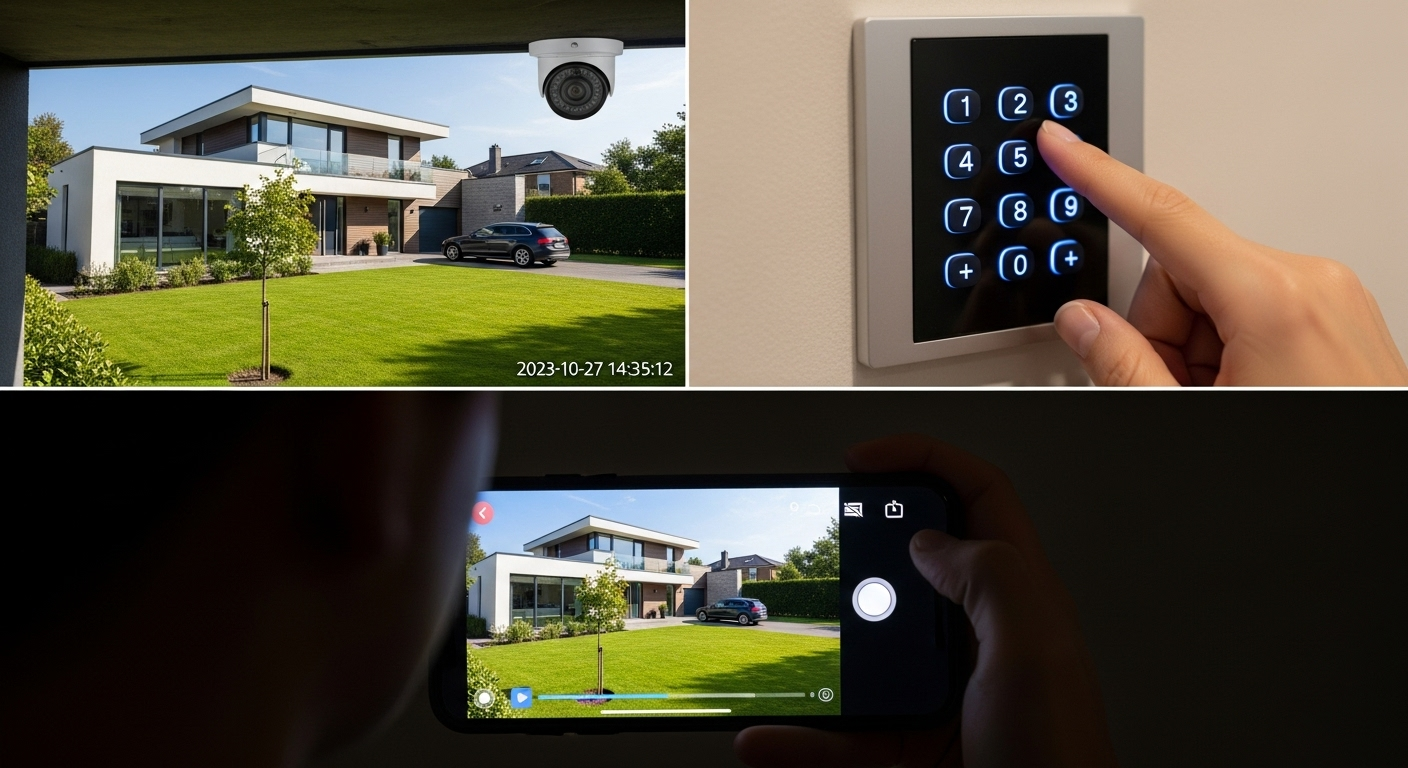
Surveillance and Monitoring Modern CCTV systems provide multiple layers of protection:
- 4K Ultra HD cameras with facial recognition capabilities
- AI-powered analytics detecting suspicious behavior patterns
- Mobile surveillance for temporary installations and events
- Integrated systems linking cameras, alarms, and access controls
Electronic Article Surveillance (EAS) Tag-based protection systems including:
- Radio Frequency (RF) tags for general merchandise
- Electromagnetic (EM) systems for books and media
- RFID technology for high-value item tracking
- Source tagging integrated during manufacturing
Physical Security Measures Environmental design and deterrent strategies:
- Strategic mirror placement eliminating blind spots
- Controlled access points with monitored entry/exit
- Security lighting in parking areas and exteriors
- Barrier systems protecting high-value merchandise displays
Internal Theft Mitigation
Employee Screening and Training Comprehensive staff security programs:
- Background checks appropriate to role responsibilities
- Security awareness training covering policies and procedures
- Cash handling procedures with dual controls and auditing
- Incident reporting systems encouraging staff vigilance
Point of Sale Security Transaction monitoring and control:
- Dual-screen POS systems providing customer transaction visibility
- Transaction monitoring software flagging unusual patterns
- Manager override tracking for discounts and returns
- Integrated inventory management with real-time stock tracking
Inventory Controls Stock protection and management:
- Regular cycle counting identifying discrepancies quickly
- Receiving and shipping protocols with documentation requirements
- Restricted access areas for high-value and sensitive items
- RFID inventory tracking providing real-time stock visibility
Advanced Technology Solutions
Artificial Intelligence and Analytics
Behavior Recognition Systems AI-powered surveillance detecting:
- Loitering patterns indicating potential shoplifting
- Suspicious movements such as concealment behaviors
- Crowd density analysis preventing dangerous overcrowding
- Queue management optimizing customer flow and reducing frustration
Facial Recognition Technology Advanced identification systems offering:
- Known offender detection alerting staff to previous shoplifters
- VIP customer recognition enabling personalized service
- Employee time and attendance integration with payroll systems
- Age verification for restricted product purchases
Predictive Analytics Data-driven security optimization:
- Crime pattern analysis predicting high-risk times and locations
- Seasonal trend identification adjusting security for peak periods
- Staff scheduling optimization based on historical loss data
- Inventory risk assessment prioritizing protection for vulnerable items
Mobile and Wireless Technologies
Security Guard Technology Mobile solutions enhancing guard effectiveness:
- Body-worn cameras providing evidence and deterrence
- Two-way radios with GPS tracking and emergency alerts
- Mobile reporting apps streamlining incident documentation
- Real-time communication with management and law enforcement
Customer Mobile Integration Apps and services improving security through customer engagement:
- Mobile payment systems reducing cash handling risks
- Loyalty program integration identifying customers and purchase patterns
- Emergency alert systems notifying customers of security incidents
- Feedback platforms encouraging reporting of suspicious activity
Access Control and Perimeter Security
Employee Access Management Comprehensive staff access control:
- Card-based systems with role-appropriate area restrictions
- Biometric authentication for high-security areas like safes
- Time-based access limiting after-hours entry to authorized personnel
- Audit trails tracking all access attempts and successful entries
Customer Flow Management Controlling customer movement and access:
- Entry/exit control with one-way gates and turnstiles
- Queue management systems reducing wait times and frustration
- Emergency lockdown capability securing premises during incidents
- Integration with fire safety ensuring compliance with evacuation requirements
Customer Safety and Experience Balance
Creating Secure Environments
Environmental Design Security through thoughtful store layout:
- Natural surveillance through open sight lines and strategic positioning
- Controlled access with clearly defined entry and exit points
- Lighting optimization ensuring adequate visibility throughout
- Signage strategy communicating security presence without intimidation
Staff Training for Customer Interaction Balancing security with service:
- Customer service excellence maintaining welcoming atmosphere
- De-escalation techniques managing difficult or suspicious customers
- Cultural sensitivity respecting diverse customer backgrounds
- Disability accommodation ensuring security measures don’t discriminate
Emergency Response and Crisis Management
Medical Emergency Procedures Preparing for customer and staff medical incidents:
- First aid training for all staff with regular refresher courses
- Emergency equipment including AEDs and first aid supplies
- Emergency services liaison with established communication protocols
- Incident documentation for insurance and legal requirements
Security Incident Response Managing theft, violence, and other security events:
- Escalation procedures from detection to law enforcement involvement
- Evidence preservation maintaining chain of custody for investigations
- Victim support providing assistance to affected customers and staff
- Post-incident analysis improving procedures based on lessons learned
Specialized Retail Security Applications
Shopping Centers and Malls
Multi-Tenant Security Coordination Managing security across diverse retail environments:
- Centralized monitoring coordinating security for all tenants
- Shared cost models distributing security expenses fairly
- Common area protection securing corridors, food courts, and parking
- Emergency coordination managing center-wide security incidents
Parking and Transportation Security Protecting customers beyond the store:
- Parking lot surveillance with adequate lighting and camera coverage
- Security patrol services providing visible deterrent presence
- Emergency communication with help stations and mobile apps
- Transportation hub integration coordinating with public transport security
Online-to-Offline (O2O) Security
Click and Collect Security Protecting omnichannel retail operations:
- Identity verification for order pickup authentication
- Secure storage areas protecting online orders from theft
- Staff training on verification procedures and fraud detection
- Integration systems linking online orders with physical security
Return and Exchange Security Managing fraud in return processes:
- Receipt verification systems confirming legitimate purchases
- Product authentication detecting counterfeit returns
- Return limit policies preventing abuse while maintaining customer service
- Staff authority levels for unusual or high-value returns
Industry Compliance and Legal Considerations
Australian Retail Security Regulations
Privacy and Surveillance Laws Compliance requirements for retail surveillance:
- Privacy Act 1988 governing customer data collection and use
- State surveillance laws varying across Australian jurisdictions
- Signage requirements informing customers of surveillance presence
- Data retention policies balancing security needs with privacy rights
Work Health and Safety Requirements Ensuring staff safety in retail security operations:
- Risk assessment obligations for security-related workplace hazards
- Training requirements for staff handling security incidents
- Equipment safety standards for security devices and uniforms
- Incident reporting to regulatory authorities when required
Insurance and Liability Management
Security-Related Insurance Coverage Protecting against security-related losses:
- General liability covering customer injury during security incidents
- Product liability for security equipment failures
- Cyber liability protecting against data breaches and online fraud
- Business interruption covering losses from security incidents
Evidence and Documentation Requirements Maintaining legal admissibility of security evidence:
- Chain of custody procedures for video and physical evidence
- Time synchronization ensuring accurate timestamps
- Storage requirements maintaining evidence integrity
- Access controls limiting who can view or modify evidence
Cost-Benefit Analysis and ROI
Security Investment Analysis
Direct Cost Factors Calculating security system investments:
- Equipment costs: Cameras, alarms, access controls ($10,000-$100,000+)
- Installation expenses: Professional setup and configuration
- Monthly monitoring fees: Professional surveillance services
- Staff training costs: Initial and ongoing security education
Operational Benefits Quantifying security investment returns:
- Shrinkage reduction: 30-50% decrease in inventory losses
- Insurance savings: 10-20% premium reductions with security systems
- Staff productivity: Reduced time dealing with security incidents
- Customer confidence: Increased sales in secure environments
Long-term Strategic Value
Business Continuity Benefits Security’s contribution to operational stability:
- Reputation protection maintaining customer trust and brand value
- Regulatory compliance avoiding fines and legal complications
- Employee retention creating safer, more attractive work environments
- Growth enablement supporting expansion into higher-risk markets
Future Trends in Retail Security
Emerging Technologies
Internet of Things (IoT) Integration Connected retail security ecosystems:
- Smart shelving detecting product removal and restocking needs
- Environmental sensors monitoring temperature, humidity, and air quality
- Wearable technology for staff safety and communication
- Vehicle tracking for delivery and supply chain security
Blockchain and Digital Identity Emerging authentication and verification technologies:
- Product authenticity verification preventing counterfeit sales
- Customer identity management enhancing loyalty program security
- Supply chain transparency tracking products from manufacturer to sale
- Digital receipt systems reducing fraud and improving customer service
Changing Consumer Expectations
Privacy-First Security Balancing security with privacy expectations:
- Consent-based surveillance allowing customer opt-in choices
- Anonymized analytics protecting individual privacy while maintaining security
- Transparent policies clearly communicating security practices
- Customer control providing options for data management and deletion
Seamless Security Integration Invisible security that enhances rather than impedes shopping:
- Frictionless payment systems reducing theft opportunities
- Automatic inventory management eliminating checkout bottlenecks
- Personalized security adapting to individual customer preferences
- Proactive service using security data to improve customer experience
Implementation Best Practices
Planning and Design
Security Needs Assessment Systematic evaluation of retail security requirements:
- Threat analysis specific to location, merchandise, and customer base
- Vulnerability assessment identifying weak points in current security
- Cost-benefit analysis prioritizing security investments
- Stakeholder consultation involving staff, customers, and security professionals
System Integration Strategy Ensuring security solutions work together effectively:
- Compatible technology platforms avoiding vendor lock-in
- Scalable architecture supporting business growth and change
- Staff training programs ensuring effective use of security systems
- Performance monitoring measuring security effectiveness and ROI
Installation and Training
Professional Implementation Ensuring security systems meet requirements:
- Certified installers with retail security expertise
- Compliance verification meeting all regulatory requirements
- Testing and commissioning confirming all systems operate correctly
- Documentation providing operation and maintenance guides
Ongoing Support and Maintenance Maintaining security effectiveness over time:
- Regular system updates keeping pace with technology evolution
- Performance monitoring identifying issues before they impact security
- Staff refresher training maintaining security awareness and skills
- Continuous improvement adapting security based on experience and threats
Conclusion
Retail security in Australia requires a sophisticated, multi-layered approach that addresses diverse threats while maintaining the positive customer experience essential for retail success. Effective security solutions combine advanced technology with well-trained staff, comprehensive policies, and ongoing adaptation to emerging threats.
The investment in comprehensive retail security pays dividends through reduced losses, improved customer confidence, enhanced employee safety, and competitive advantage in the marketplace. As retail continues to evolve with changing consumer preferences and technological capabilities, security solutions must adapt to remain effective.
Success in retail security comes from treating it as a strategic business capability rather than a necessary cost. Retailers who integrate security considerations into all aspects of their operations – from store design to staff training to customer service – create environments where security enhances rather than impedes the shopping experience.
By understanding threats, implementing appropriate technologies, training staff effectively, and maintaining ongoing vigilance, Australian retailers can create secure, profitable, and customer-friendly retail environments that support long-term business success in an increasingly complex retail landscape.