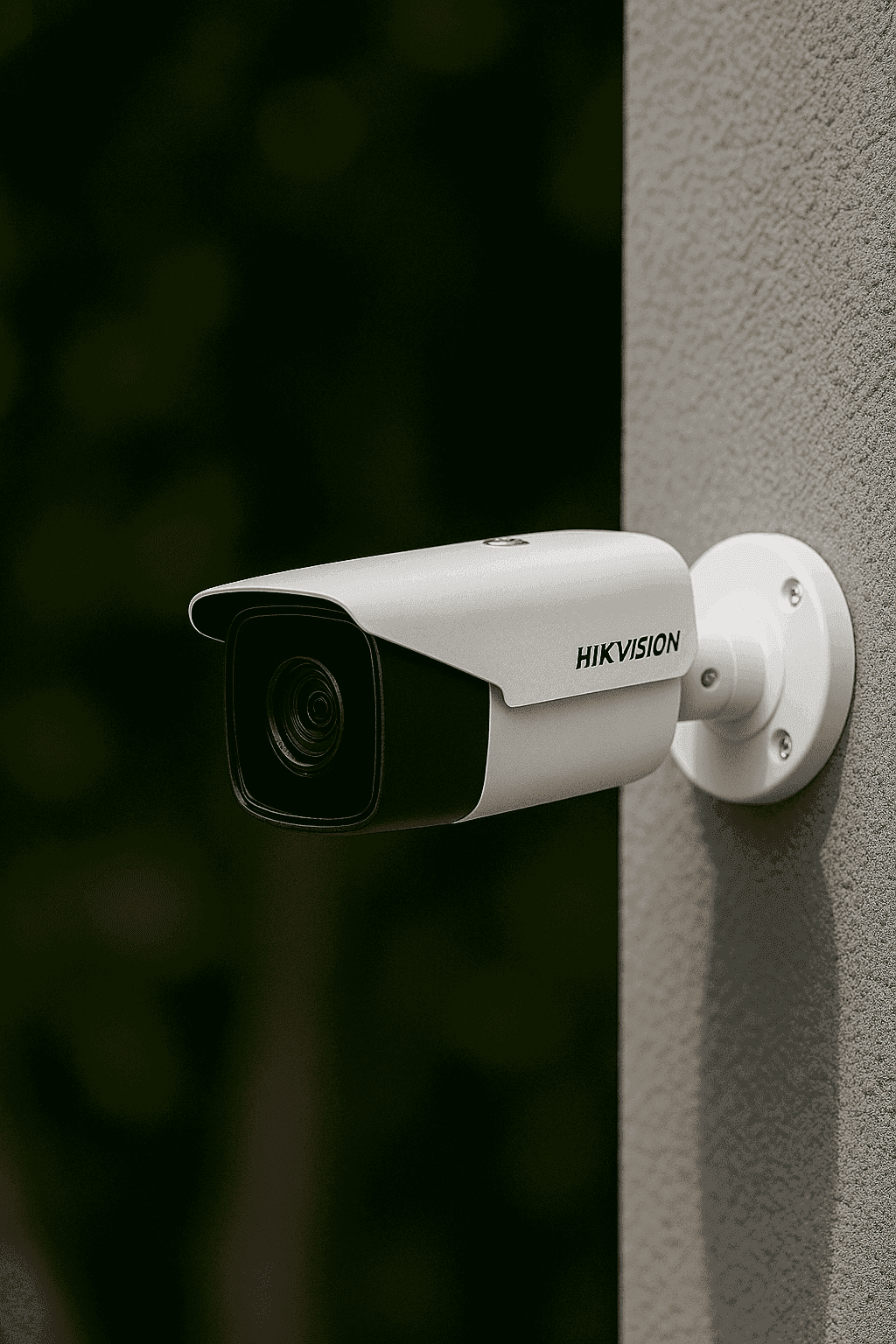

Planning a successful event in Australia requires more than just great entertainment and venue selection – comprehensive security planning is essential for protecting attendees, staff, and assets. Whether you’re organizing a music festival in Byron Bay, a corporate conference in Melbourne, or a community event in Perth, understanding Australian event security requirements and best practices will ensure your event runs smoothly and safely.
Understanding Australian Event Security Regulations
State-Specific Requirements
Each Australian state has specific regulations governing event security:
New South Wales
- Events with 500+ attendees require a safety management plan
- Licensed security guards must be present for events with alcohol service
- Crowd controllers need RSA and RCG certification
Victoria
- Victoria Police approval required for events with 5,000+ attendees
- Liquor licence conditions mandate specific security measures
- WorkSafe Victoria guidelines apply to all commercial events
Queensland
- Entertainment venue licences require security risk assessments
- Special event declarations needed for major public gatherings
- Queensland Fire and Emergency Services consultation for large events
Other States and Territories Similar requirements exist across WA, SA, Tasmania, ACT, and NT, with local council permits often requiring detailed security plans.
Industry Standards and Certifications
Security personnel must hold appropriate licences:
- Security Provider Licence: Required in all states for security companies
- Crowd Controller Licence: Essential for staff managing entry points and crowd behaviour
- First Aid Certification: Recommended for all security personnel
- RSA (Responsible Service of Alcohol): Mandatory for events serving alcohol
Risk Assessment and Security Planning
Threat Analysis
Modern event security planning begins with comprehensive risk assessment:
External Threats
- Unauthorised access and gatecrashing
- Public disorder and antisocial behaviour
- Terrorism and extremist activities
- Weather-related emergencies
Internal Risks
- Overcrowding and crush injuries
- Medical emergencies and drug-related incidents
- Fire and structural hazards
- Equipment failure and power outages
Venue-Specific Considerations
Outdoor Events
- Weather contingency plans
- Temporary structure certification
- Perimeter security and fencing
- Emergency vehicle access routes
Indoor Venues
- Fire safety compliance and evacuation procedures
- Capacity management systems
- HVAC and air quality monitoring
- Electrical safety inspections
Security Personnel and Crowd Management
Staffing Calculations
Industry standards recommend:
- Low-risk events: 1 security officer per 75-100 attendees
- Medium-risk events: 1 security officer per 50-75 attendees
- High-risk events: 1 security officer per 25-50 attendees
Specialised Security Roles
Access Control Teams
- ID verification and ticket validation
- Prohibited items screening
- VIP and restricted area management
- Contractor and vendor access control
Crowd Controllers
- Crowd flow management
- Queue control and barrier positioning
- Incident de-escalation
- Emergency evacuation coordination
Mobile Patrol Units
- Perimeter security monitoring
- Car park and external area surveillance
- Rapid response to incidents
- Liaison with external emergency services
Technology Integration
Surveillance Systems
CCTV Networks
- 4K cameras with low-light capabilities
- Mobile surveillance units for temporary installations
- Live monitoring and recording capabilities
- Integration with access control systems
Drone Surveillance
- Aerial crowd monitoring for large outdoor events
- CASA compliance for commercial drone operations
- Real-time video transmission to command centres
- Rapid deployment for incident response
Communication Systems
Digital Radio Networks
- Encrypted communication channels
- Integration with emergency services frequencies
- GPS tracking of security personnel
- Panic button functionality
Event Management Apps
- Real-time incident reporting
- Staff check-in and positioning
- Emergency contact databases
- Weather and threat alert systems
Access Control Technology
Electronic Ticketing
- RFID wristbands for multi-day events
- Contactless entry systems
- Anti-counterfeiting features
- Real-time capacity monitoring
Biometric Systems
- Facial recognition for VIP areas
- Fingerprint access for restricted zones
- Age verification systems
- Blacklist database integration
Emergency Response Planning
Medical Emergency Procedures
Australian events require comprehensive medical response planning:
First Aid Stations
- St John Ambulance or equivalent services
- Medical equipment appropriate to event size
- Clear signage and accessibility
- Direct communication with emergency services
Mental Health Support
- Trained mental health first aid personnel
- Quiet spaces for distressed attendees
- Connection with local crisis services
- Post-incident counselling arrangements
Evacuation Procedures
Multi-Stage Evacuation Plans
- Zone-based evacuation protocols
- Multiple exit routes and assembly points
- Special needs accommodation
- Communication strategies for hearing-impaired attendees
Emergency Services Coordination
- Police, fire, and ambulance liaison
- Incident command structure
- Media management protocols
- Family reunification procedures
Alcohol and Drug Management
Responsible Service Practices
RSA Compliance
- Trained staff at all alcohol service points
- ID checking procedures and equipment
- Intoxication monitoring systems
- Incident documentation requirements
Drug and Substance Policies
- Amnesty bins and needle disposal
- Trained peer support workers
- Medical supervision for drug-related incidents
- Harm reduction strategies
Licensed Venue Requirements
Events serving alcohol must comply with:
- Liquor licence conditions and restrictions
- Designated driver programs
- Public transport coordination
- Late-night service limitations
Weather and Environmental Considerations
Extreme Weather Protocols
Heatwave Management
- Shade structures and cooling stations
- Free water distribution points
- Heat-related illness recognition training
- Event suspension criteria
Storm and Severe Weather
- Bureau of Meteorology monitoring
- Temporary structure wind ratings
- Lightning detection systems
- Evacuation to permanent structures
Bushfire Risk Areas
- Fire danger rating monitoring
- Evacuation route planning
- Asset protection strategies
- Coordination with rural fire services
Budget Planning and Insurance
Security Cost Factors
Personnel Costs
- Security guard wages: $25-$40 per hour
- Crowd controller rates: $30-$45 per hour
- Specialist security: $50-$80 per hour
- Overtime and penalty rates for weekend/night events
Technology and Equipment
- CCTV system hire: $200-$500 per camera per day
- Radio system rental: $15-$30 per unit per day
- Barrier and fencing: $10-$25 per metre per day
- Detection equipment: $500-$2,000 per day
Insurance Requirements
Public Liability
- Minimum $20 million coverage recommended
- Specific exclusions and conditions
- Additional coverage for high-risk activities
- Volunteer and contractor protection
Event Cancellation Insurance
- Weather-related cancellation coverage
- Security incident protection
- Key person insurance
- Equipment failure compensation
Post-Event Security Procedures
Site Security
Bump-Out Protection
- Extended security during equipment removal
- Asset protection and inventory management
- Contractor access control
- Site restoration monitoring
Evidence Preservation
- CCTV footage retention (minimum 30 days)
- Incident report documentation
- Witness statement collection
- Police investigation cooperation
Continuous Improvement
Performance Evaluation
Key Performance Indicators
- Incident response times
- Security breach occurrences
- Customer satisfaction scores
- Staff performance metrics
Post-Event Reviews
- Debrief sessions with all security teams
- Stakeholder feedback collection
- Process improvement recommendations
- Training need identification
Industry Best Practices
Professional Development
- Regular training updates for security personnel
- Industry conference participation
- Certification maintenance programs
- Emergency response drill participation
Technology Upgrades
- Annual security system reviews
- Emerging technology evaluation
- Integration capability assessments
- Cost-benefit analysis of new solutions
Conclusion
Effective event security in Australia requires careful planning, appropriate resources, and thorough understanding of local regulations. By implementing comprehensive security measures that address both traditional risks and modern threats, event organizers can create safe, enjoyable experiences that protect all stakeholders.
Success in event security comes from treating it as an integral part of event planning rather than an afterthought. Early engagement with security professionals, local authorities, and emergency services ensures your event meets all regulatory requirements while providing the protection your attendees deserve.
As Australia’s events industry continues to evolve, security planning must adapt to address emerging threats while maintaining the open, welcoming atmosphere that makes Australian events special. The investment in professional security planning pays dividends in successful event outcomes, positive attendee experiences, and long-term reputation management.