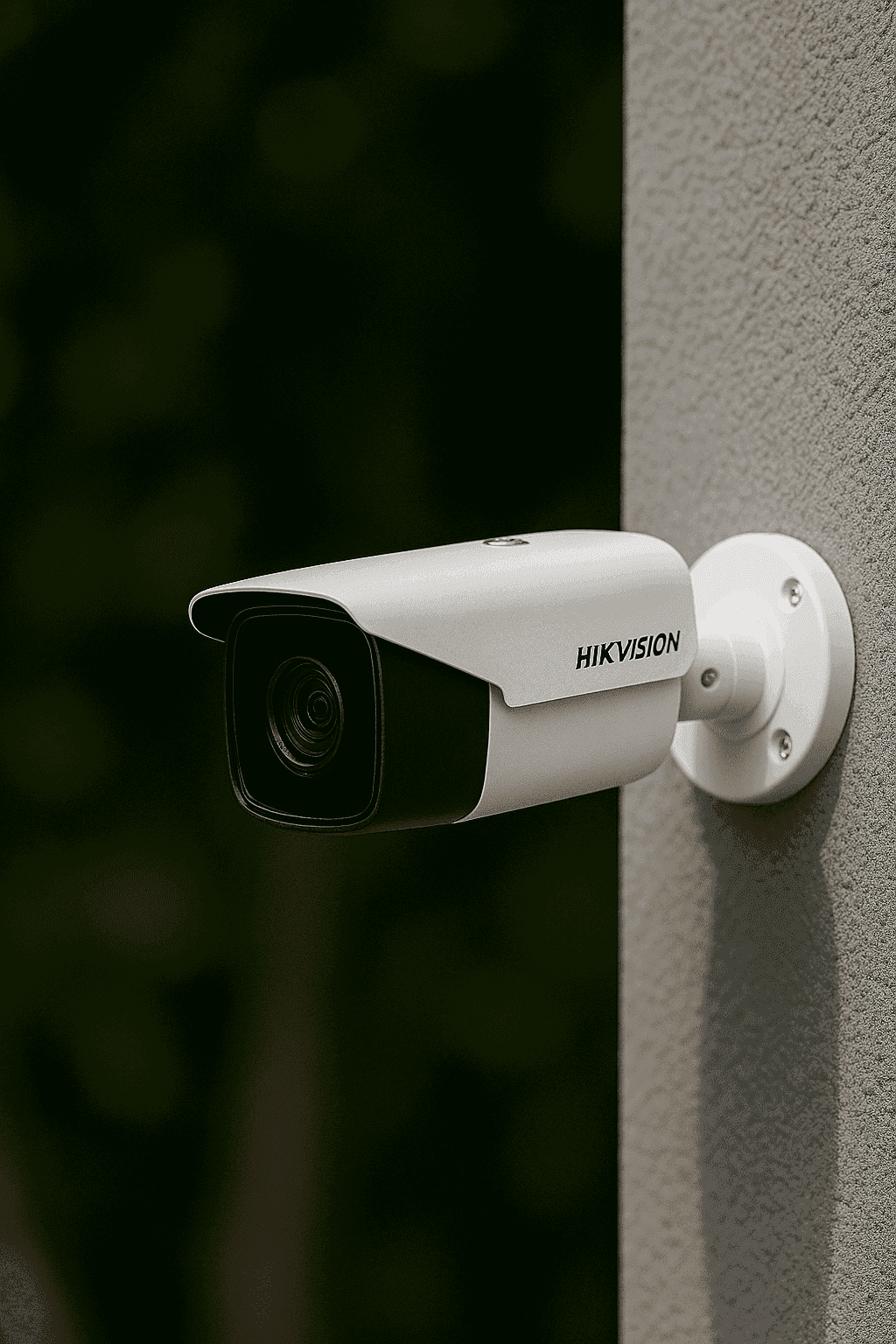

A camera or NVR connected to the internet is also a device that can be hacked if it’s left on factory settings. The good news is the basics cover most of the risk, and none of them are complicated.
Change the default password
This is the single biggest thing. Factory default passwords for common CCTV and NVR brands are published online, and devices left on defaults are the easiest target for anyone scanning for them. Change it during installation, not sometime later.
Keep firmware updated
Manufacturers release updates that fix known security issues, the same way your phone or computer does. Checking for updates every so often, or asking whoever maintains your system to do it, closes off vulnerabilities as they’re found.
Don’t expose your NVR directly to the internet
Opening a port on your router so you can view cameras remotely sounds convenient, but it also means anyone scanning the internet can find your NVR. Using the manufacturer’s own app and cloud service (the way we set systems up) avoids this — your NVR doesn’t need to sit directly exposed to be viewable on your phone. If an installer previously set up port forwarding for you and you’re not sure it’s still needed, it’s worth asking whoever maintains your system to check.
Keep security devices on their own network
If you’ve got a lot of other smart devices at home or in the business, putting cameras and the NVR on a separate network (a guest network, or a proper VLAN for a business) means a compromised smart plug or light bulb elsewhere on the network can’t reach your security system. This matters more the more connected your setup is — see our guide on connecting your security systems together for what’s worth linking up and what’s not.
Know who still has access
If an installer, a former employee, or a tenant who’s moved out still has a login or access code, that’s a door you’ve left open. Removing access when it’s no longer needed is as important as setting a strong password in the first place.
How Saint George Group can help
We’re a licensed NSW security installer (NSW master licence ML000111327). When we install a system, changing default passwords and setting up secure remote viewing is part of the job, not an afterthought. Get a CCTV quote and we’ll set it up properly from day one.
Quick answers
Is my CCTV system actually a target for hackers? Devices left on default passwords and exposed to the internet are routinely scanned for and found — it doesn’t take a targeted attack, just an unsecured device.
Do I need to do anything if Saint George Group installed my system? We set systems up securely from the start, but it’s still worth checking firmware updates periodically and reviewing who has access over time.
The basics — a real password, updated firmware, and not exposing your NVR directly to the internet — cover almost all of the actual risk.